
Site readiness
Review surface soundness, cleanliness, moisture, falls and access. Confirm storage, weather restrictions and treatment of cracks before application.
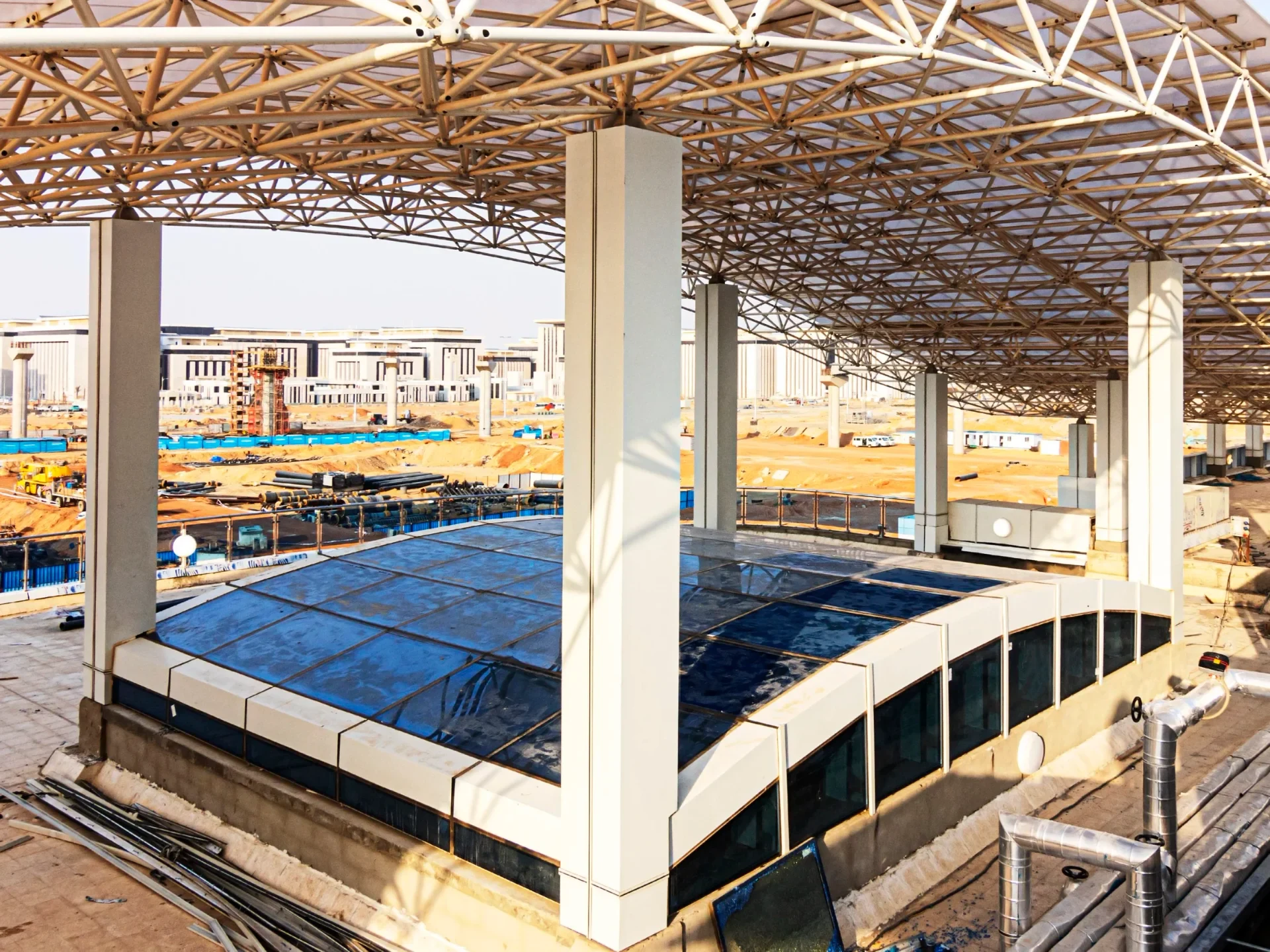
PROJECT SERVICES
Connect the specification with practical work on site.
Connect an approved specification with a controlled sequence on site. Focus on substrate readiness, application conditions, inspection points and protection before subsequent trades begin.
Review surface soundness, cleanliness, moisture, falls and access. Confirm storage, weather restrictions and treatment of cracks before application.
Plan primer, insulation, waterproofing and protection in the approved order. Coordinate curing, joints, outlets and penetrations with the site teams.
Record product batches, applied coverage or thickness and inspection results. Agree test methods and acceptance criteria before covering the system.
Compare actual conditions with approved details and identify preparation work.
Confirm responsibilities, a trial area, material compatibility and inspection hold points.
Check preparation and each layer before the next layer conceals it.
Complete agreed checks, document remedial work and protect finished areas during following trades.
Case study
Heat inside the factory was affecting product quality. The roof needed better thermal insulation and waterproofing, with limited capacity for added weight and no planned production shutdown.
The team reviewed roof heat gain and structural load limits, then compared systems by weight, application speed, curing time and compatibility with the existing roof.
Recommended system
We recommended this lightweight coating for its fast application and ability to provide both thermal insulation and waterproofing.
View product details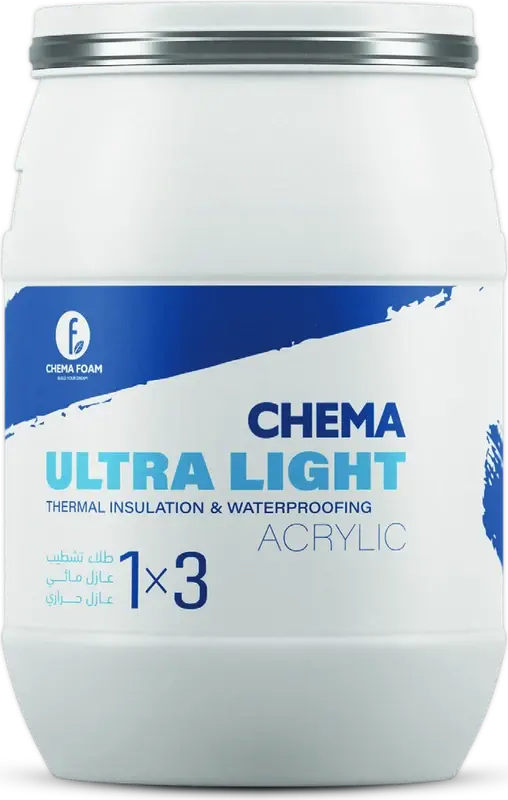
Less heat entering the factory, a roof protected against leaks, and an application schedule that keeps production running.
Tell us the site stage, substrate condition, areas and programme so we can discuss the appropriate support.
Preparing your enquiry form…
First identify whether the cause is a joint, drain, penetration, substrate defect or membrane failure. A compatible local repair or a replacement system is then considered after assessment.
Use the project-approved procedure after the required curing period and before protection layers, where the system permits it. The engineer must approve water load, depth, duration and drainage; there is no universal duration for every system.
Choose design for system development, execution for site work, or technical support and consulting for a focused review.
Include the location, project stage, expected deliverables and helpful drawings or photos.
Describe the installed layers and substrate and share photos and previous work records if available.