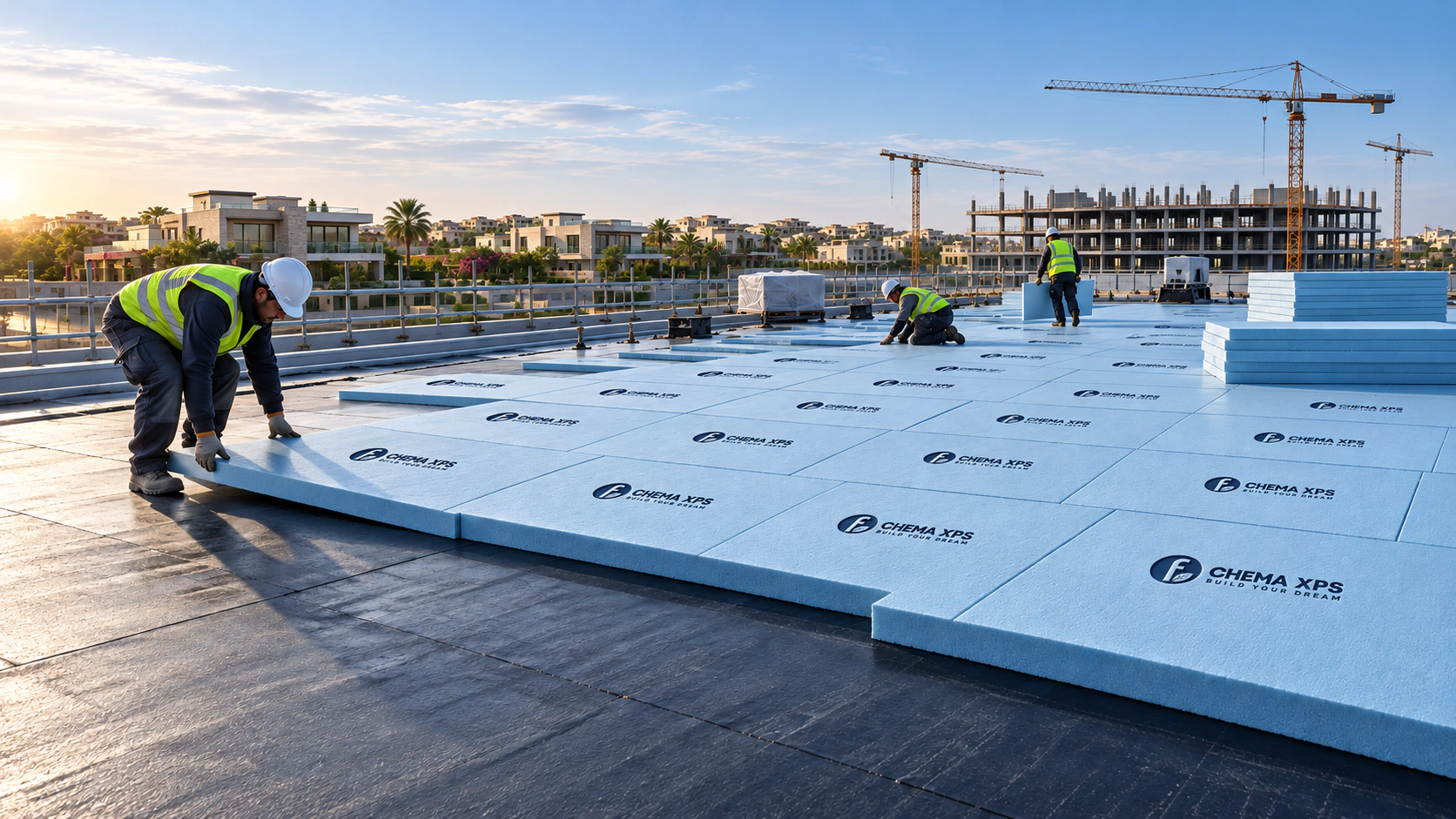
Energy Efficiency
Helps reduce heat transfer through roofs and walls and may lower air-conditioning electricity consumption.
Thermal insulation
XPS Thermal Insulation Boards
CHEMA BASIC is extruded polystyrene (XPS) foam insulation designed to improve the thermal performance of building roofs and walls. Its lightweight boards are easy to handle, transport, and install, helping reduce heat transfer through the building envelope and support lower air-conditioning energy consumption.
CHEMA BASIC XPS boards provide thermal insulation for building applications. The boards feature a closed-cell structure formed through a continuous extrusion process, helping resist water absorption and maintain thermal insulation performance. They are lightweight and suitable for roof and wall insulation systems when installed with the appropriate protective and finishing layers.
R-value indicates resistance to heat flow. A higher R-value means greater thermal resistance at the stated thickness. Correctly specified and installed XPS boards improve the thermal performance of the building envelope and can reduce cooling demand.
The continuous extrusion process forms a homogeneous closed-cell structure that helps resist water absorption and retain thermal resistance and compressive performance under suitable service conditions.
Key benefits
Helps reduce heat transfer through roofs and walls and may lower air-conditioning electricity consumption.
Easy to handle, transport and install.
Supports more stable indoor temperatures and may allow lower-capacity air-conditioning equipment when confirmed by building load calculations.
The continuous extrusion process forms a homogeneous closed-cell structure that helps resist water absorption and retain thermal resistance and compressive performance under suitable service conditions.
The product information references ASTM C578, GREENGUARD certification and ENERGY STAR® requirements.
Zero ozone depletion is stated in the product information.
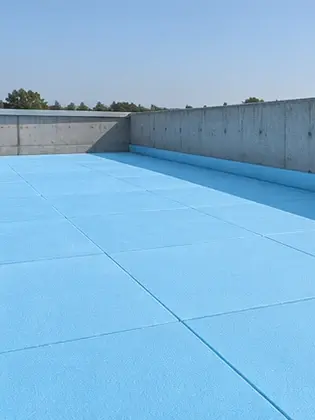
Application of extruded polystyrene (XPS) blue foam boards for high-efficiency thermal insulation of roofs, walls and building envelopes, reducing energy consumption by up to 40%.
| Property | Test standard | Value |
|---|---|---|
| Density | ASTM D1622 | 28 ± 2 kg/m³ |
| Maximum service temperature | Product information | 122°F (50°C) |
| Thermal resistance (R-value) | ASTM C518 | R-5.0 at 1.00 in (25.4 mm) thickness |
Energy-saving performance depends on building design, insulation thickness, climate, installation quality and the HVAC system. Savings are not a fixed guarantee for every project.
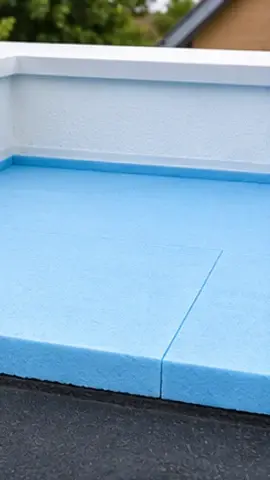
Thermal insulation for building roofs.
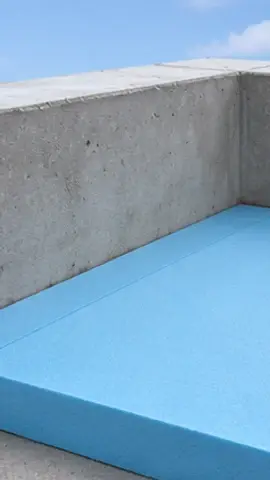
Thermal insulation for building walls.
Use with a compatible waterproofing system and the specified protective finish.
Store boards away from direct sunlight and high temperatures.
Maintain good ventilation to avoid heat accumulation and reduce the risk of burning or deformation.
Where practical, install roof boards early in the morning or before sunset to avoid strong direct sunlight.
If the installation surface is excessively hot, allow it to cool before placing the boards.
Finish or cover installed boards promptly to limit exposure to strong direct sunlight.
After roof waterproofing is completed, protect the surface with a compatible CHEMA FOAM system as specified for the project.
Cover the boards with the specified protective or light cementitious layer where required by the roof build-up.
Cover boards promptly after installation. Do not leave them uncovered and exposed to ultraviolet radiation for more than 24 hours.
Store boards in a covered, well-ventilated area away from direct sunlight and excessive heat. Avoid heat accumulation, sparks and open flames. Handle carefully, avoid strong oxidizing agents and aromatic solvents, and do not stack boards on their edges.
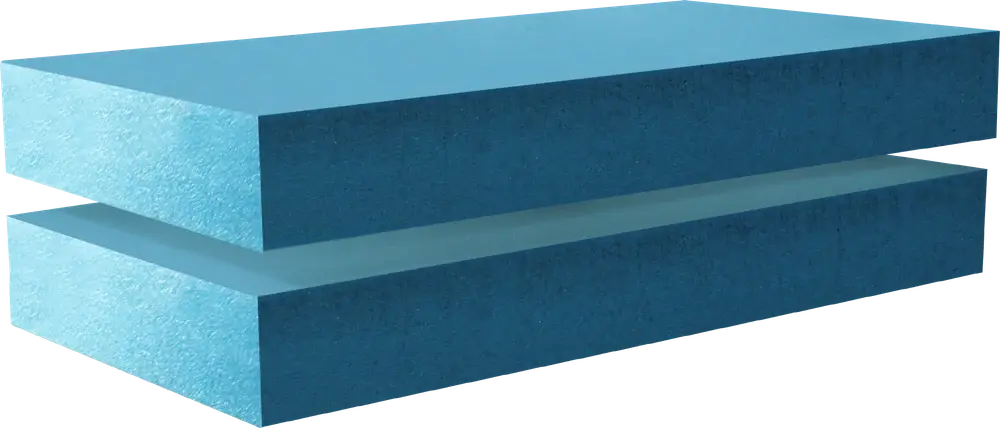
Thermal insulation
CHEMA STANDARD is extruded polystyrene (XPS) foam insulation designed for building roofs and walls.
View product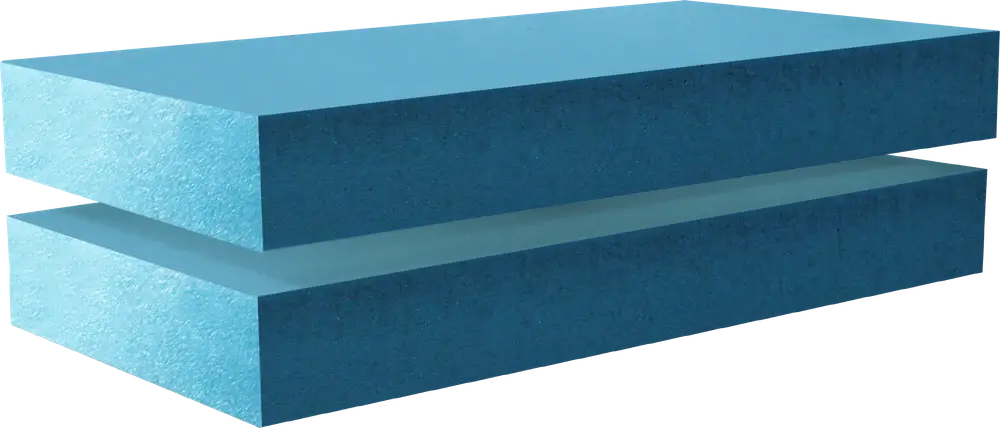
Thermal insulation
CHEMA PRO is a rigid extruded polystyrene (XPS) foam insulation board designed to provide effective thermal insulation for building roofs and walls.
View product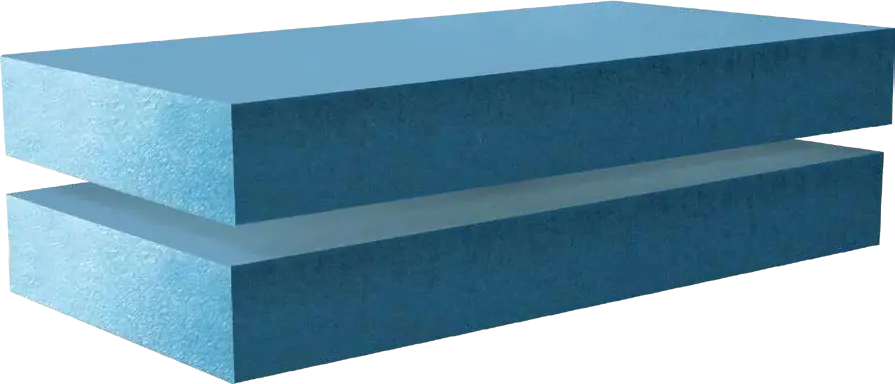
Thermal insulation
CHEMA ADVANCED is extruded polystyrene (XPS) foam insulation designed for building roofs and walls.
View productEfficient roof and wall insulation for lasting indoor comfort.
Explore the systemShare your quantities and project details. Our team will help you select the right specification.
Thermal insulation
Preparing your enquiry form…
Our technical team can help with product selection and project quantities.
CHEMA BASIC is extruded polystyrene (XPS) foam insulation for building roofs and walls.
Thermal insulation of building roofs and walls as part of a suitable building-envelope system.
Its lightweight, closed-cell structure provides thermal insulation, ease of handling and resistance to water absorption.
R-value indicates resistance to heat flow. A higher R-value means greater thermal resistance at the stated thickness. Correctly specified and installed XPS boards improve the thermal performance of the building envelope and can reduce cooling demand.
Cover boards promptly after installation. Do not leave them uncovered and exposed to ultraviolet radiation for more than 24 hours.