Energy Efficiency
Helps reduce cooling electricity consumption, with potential savings of up to 40%.
Thermal insulation
XPS Thermal Insulation Boards
CHEMA ADVANCED is extruded polystyrene (XPS) foam insulation designed for building roofs and walls. Its lightweight, closed-cell boards help reduce heat transfer and can reduce electricity consumption for air conditioning by up to 40%.
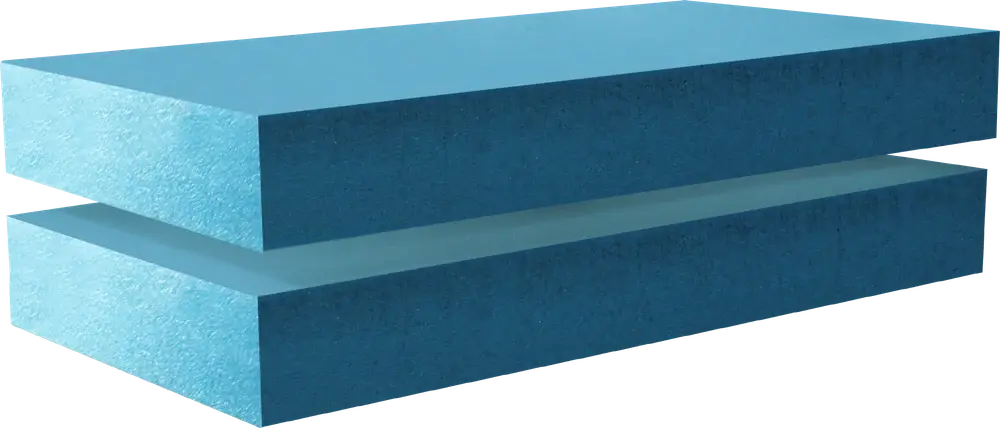
CHEMA ADVANCED XPS boards provide thermal insulation for building roofs and walls. Manufactured through a continuous extrusion process, the boards have a homogeneous closed-cell structure that helps resist water absorption and supports thermal resistance and compressive strength. Their lightweight construction makes them easy to handle, transport, and install.
The closed-cell structure creates an effective barrier against water absorption and helps preserve thermal resistance and compressive performance, including when immersed in water.
R-value indicates resistance to heat flow. A higher R-value means greater thermal resistance at the stated thickness. Correctly specified and installed XPS boards improve the thermal performance of the building envelope and can reduce cooling demand.
The continuous extrusion process forms a homogeneous closed-cell structure that helps resist water absorption and retain thermal resistance and compressive performance under suitable service conditions.
Key benefits
Helps reduce cooling electricity consumption, with potential savings of up to 40%.
Easy to handle, transport and install.
Helps reduce heat transfer through roofs and walls and supports more stable indoor temperatures.
The continuous extrusion process forms a homogeneous closed-cell structure that helps resist water absorption and retain thermal resistance and compressive performance under suitable service conditions.
Classified according to ASTM C578.
Meets chemical-emission standards with GREENGUARD certification for suitability in educational environments.
Meets ENERGY STAR® requirements.
Zero ozone depletion is stated in the product information.
122°F (50°C)
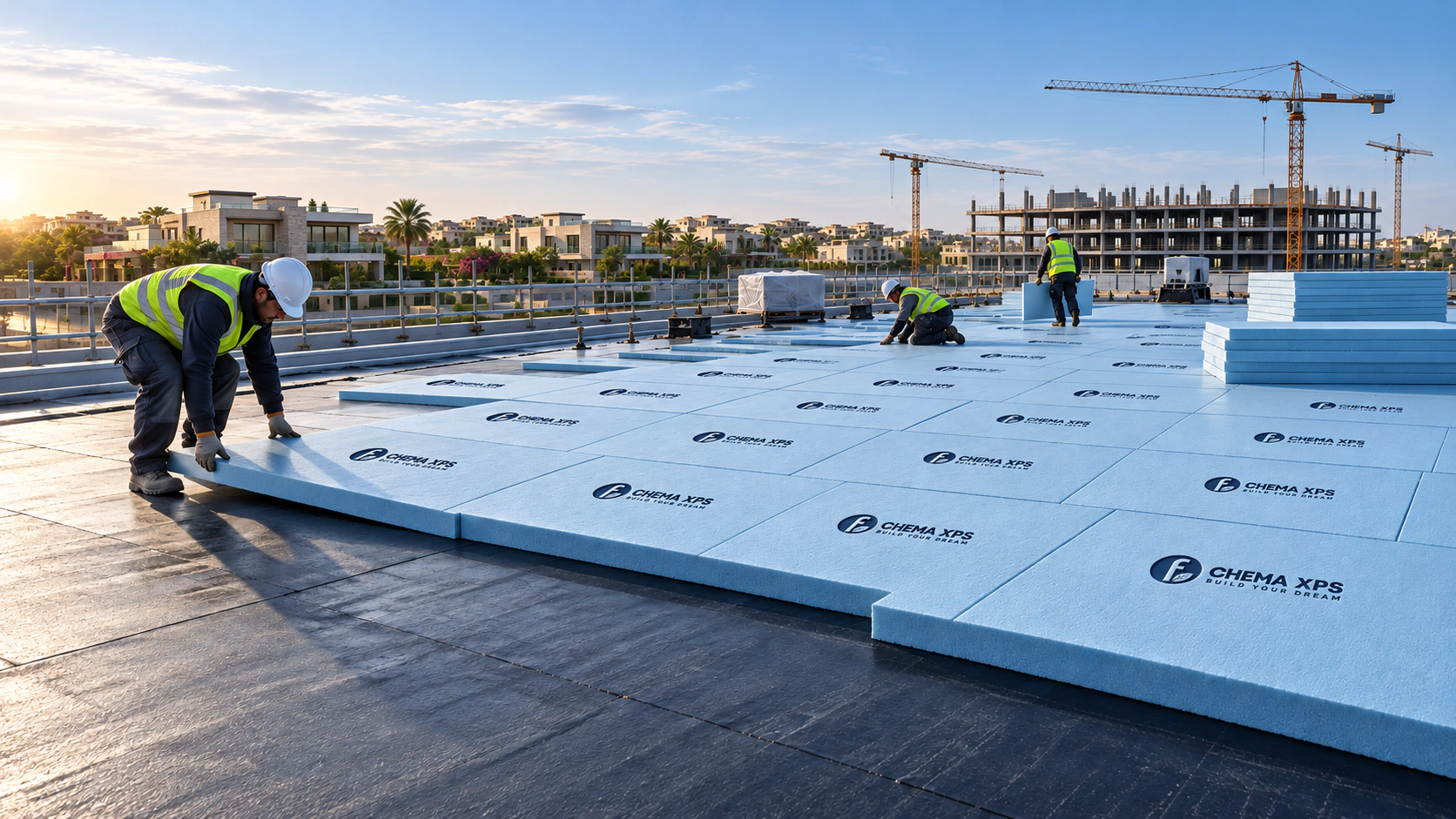
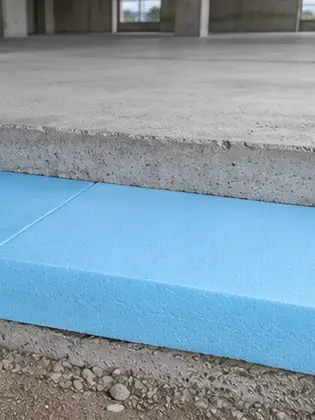
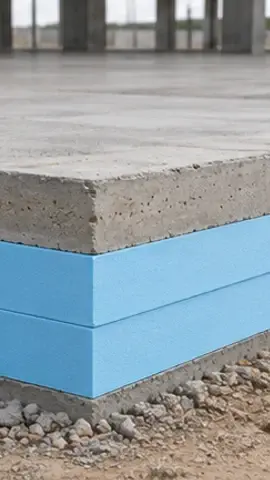
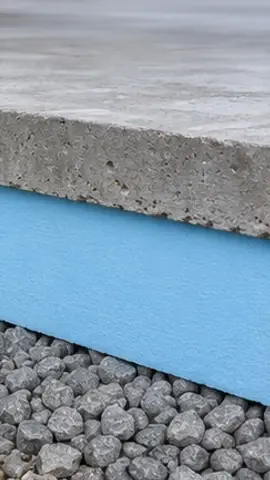
Application of extruded polystyrene (XPS) blue foam boards for high-efficiency thermal insulation of roofs, walls and building envelopes, reducing energy consumption by up to 40%.
| Property | Test standard | Value |
|---|---|---|
| Density | ASTM D1622 | 36–40 kg/m³ |
| Compressive strength | ASTM D1621 | 350–450 kPa |
| Minimum flexural strength | ASTM C203 | 550 kPa |
| Minimum oxygen index | ASTM D2863 | 24% |
| Water absorption | ASTM C272 | 0.2% |
| Dimensional stability | ASTM D696 | 0.5% |
| Thermal conductivity | ASTM C518 | 0.033 W/(m·°C) |
| Thermal resistance (R-value) | ASTM C518 | R-5.0 (0.88 m²·K/W) at 1.00 in (25.4 mm) thickness |
| Water vapour performance | ASTM E96 | 63 (1.1) g/h·m² at 1.00 in (25.4 mm) thickness |
| Maximum service temperature | Product information | 122°F (50°C) |
Energy-saving performance depends on building design, insulation thickness, climate, installation quality and the HVAC system. Savings are not a fixed guarantee for every project.
Thermal insulation for building roofs.
Thermal insulation for building walls.
Use with a compatible waterproofing system and the specified protective finish.
Store boards away from direct sunlight and high temperatures.
Maintain good ventilation to avoid heat accumulation and reduce the risk of burning or deformation.
Where practical, install roof boards early in the morning or before sunset to avoid strong direct sunlight.
If the concrete or membrane surface is excessively hot, cool it with water before installing the boards.
Finish or cover installed boards promptly to limit exposure to strong direct sunlight.
After roof waterproofing is completed, install CHEMA ADVANCED boards continuously over the specified surface without gaps.
Cover the boards with the specified protective or light cementitious layer where required by the roof build-up.
Cover boards promptly after installation. Do not leave them uncovered and exposed to ultraviolet radiation for more than 24 hours.
Store boards in a covered, well-ventilated area away from direct sunlight and excessive heat. Avoid heat accumulation, sparks and open flames. Handle carefully, avoid strong oxidizing agents and aromatic solvents, and do not stack boards on their edges.
Thermal insulation
CHEMA BASIC is extruded polystyrene (XPS) foam insulation designed to improve the thermal performance of building roofs and walls.
View productThermal insulation
CHEMA STANDARD is extruded polystyrene (XPS) foam insulation designed for building roofs and walls.
View product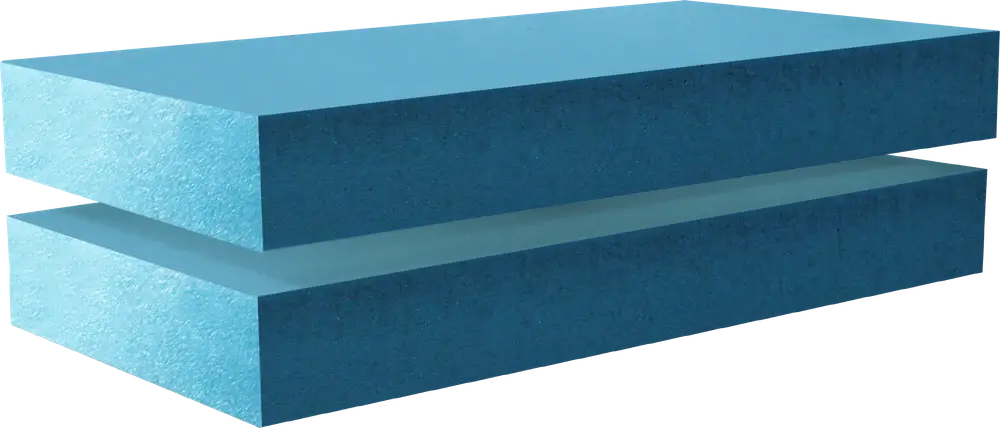
Thermal insulation
CHEMA PRO is a rigid extruded polystyrene (XPS) foam insulation board designed to provide effective thermal insulation for building roofs and walls.
View productEfficient roof and wall insulation for lasting indoor comfort.
Explore the systemShare your quantities and project details. Our team will help you select the right specification.
Thermal insulation
Preparing your enquiry form…
Our technical team can help with product selection and project quantities.
CHEMA ADVANCED is extruded polystyrene (XPS) foam insulation for building roofs and walls.
Thermal insulation of building roofs and walls as part of a suitable building-envelope system.
Its lightweight, closed-cell structure provides thermal insulation, ease of handling and resistance to water absorption. It can help reduce air-conditioning electricity consumption by up to 40%.
R-value indicates resistance to heat flow. A higher R-value means greater thermal resistance at the stated thickness. Correctly specified and installed XPS boards improve the thermal performance of the building envelope and can reduce cooling demand.
Cover boards promptly after installation. Do not leave them uncovered and exposed to ultraviolet radiation for more than 24 hours.