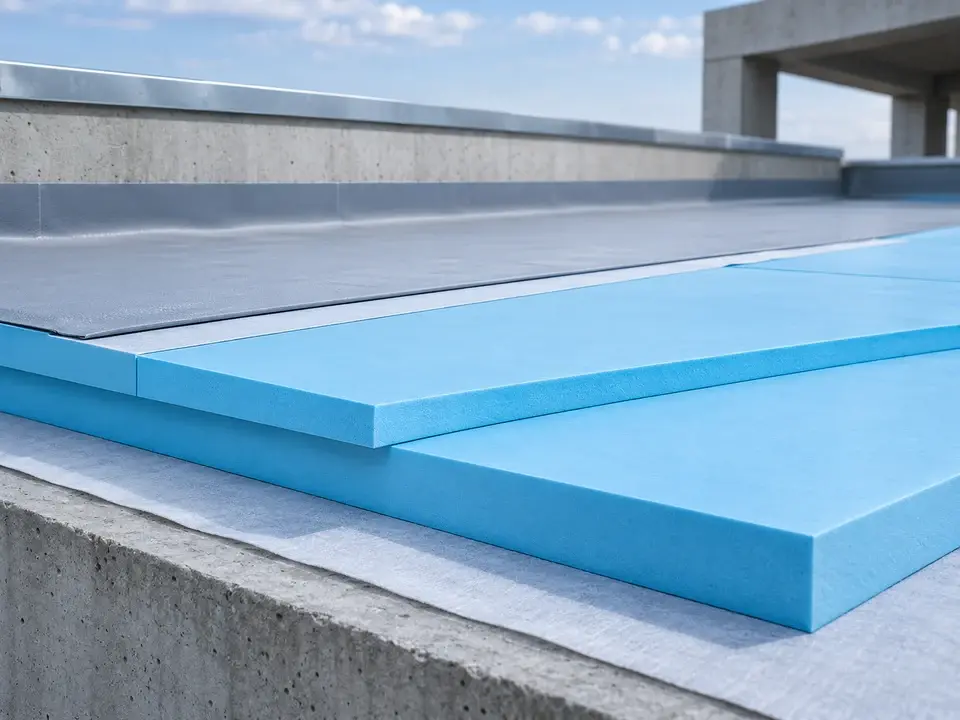
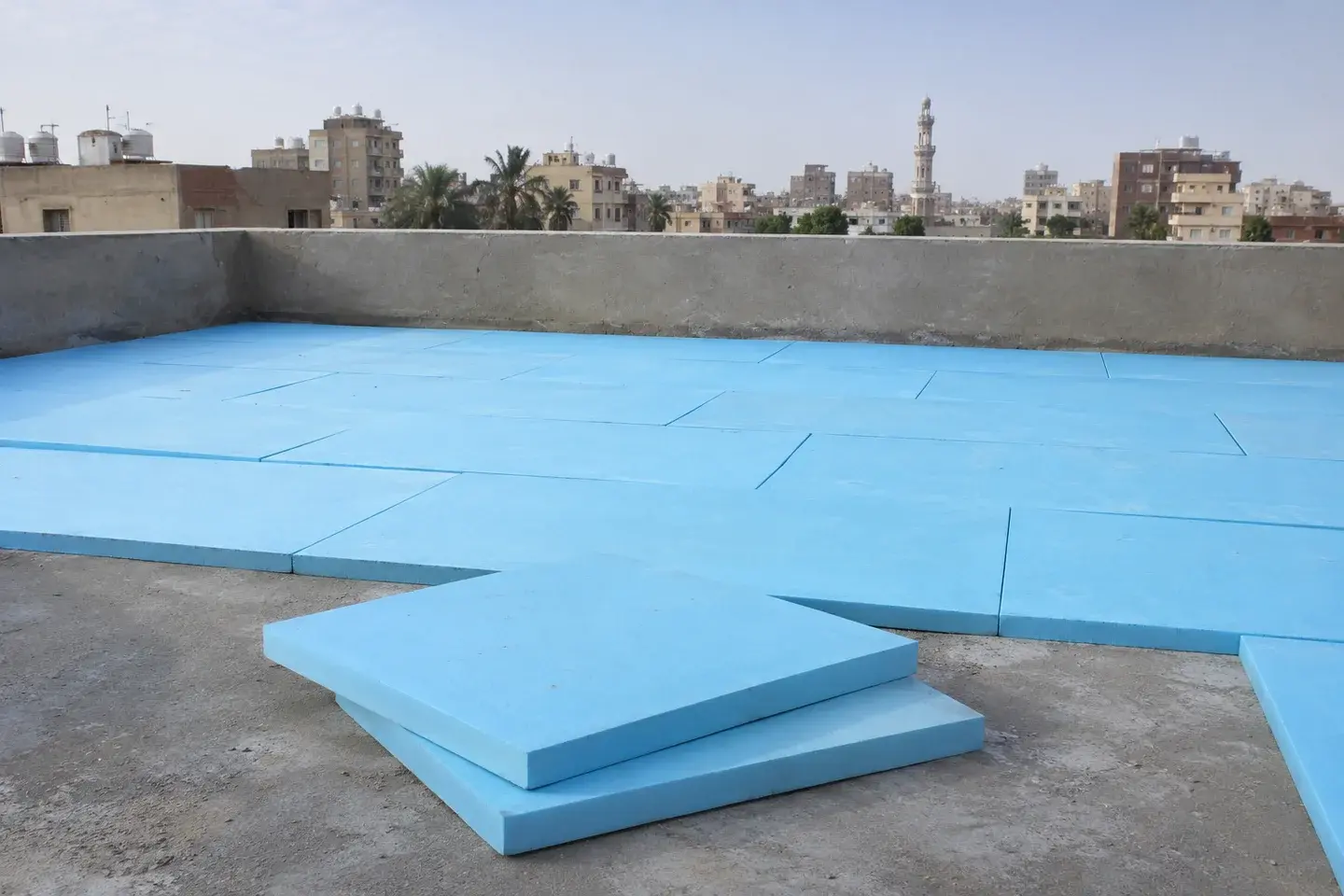
 Blue XPS insulation boards laid across a flat roof
Introduction
Is the top floor of a building noticeably hotter than the stories below, even when air conditioning runs for hours? Often, the issue is not undersized HVAC equipment—it is excessive heat transfer through the roof slab and exterior walls.
This is where Chema XPS blue foam boards from Chema Foam make a measurable difference, engineered to curb thermal transfer across residential, commercial, and industrial projects. Yet not every XPS board suits every assembly; achieving reliable performance starts with specifying the right grade and thickness.
What Is Chema XPS?
Chema XPS consists of rigid thermal insulation boards manufactured from extruded polystyrene (XPS), widely known in the construction market as blue foam. Its closed-cell structure minimizes heat transfer and limits water absorption, while keeping board weight low for straightforward transport, handling, and site installation.
These properties make it well suited for insulating roofs, walls, floors, and load-bearing assemblies—provided the selected grade matches the project's structural loads and site conditions.
Why Blue XPS Foam Matters For Thermal Insulation In Egypt
Initial construction cost is only part of a building's lifecycle expense. Under Egypt's intense solar exposure, uninsulated roofs drive up indoor cooling loads and force HVAC systems to work harder.
When integrated into a properly engineered envelope assembly, Chema XPS thermal insulation helps:
- Reduce conductive heat transfer through roofs, walls, and slabs.
- Improve indoor thermal comfort across occupied spaces.
- Lower HVAC operating loads, which can reduce electricity consumption.
- Protect thermal performance against moisture thanks to low water absorption.
- Streamline site installation with lightweight, easy-to-cut rigid boards.
Note: Actual energy savings vary depending on insulation thickness, roof area, building design, local climate, and installation quality.
Where Are Chema XPS Boards Used?
Chema XPS boards serve a broad range of thermal insulation applications, including concrete roof slabs, exterior and cavity walls, floors and under-slab assemblies, cold rooms and refrigerated storage, and commercial or industrial facilities.
In inverted roof systems, XPS boards may be installed above the waterproofing membrane as part of an approved buildup, complete with appropriate ballast, protection, and drainage layers per the design. However, Chema XPS is not a substitute for waterproofing; low water absorption does not make the board a standalone waterproof membrane.
Chema XPS Basic, Standard, Pro, Or Advanced?
Specifying the highest density is not always the smartest choice—the right grade is the one matched to the required mechanical and thermal performance. Chema Foam offers four Chema XPS grades differentiated by density and compressive strength:
- Chema Basic: Density of 28 ± 2 kg/m³, compressive strength of 200–250 kPa.
- Chema Standard: Density of 30–32 kg/m³, compressive strength of 250–350 kPa.
- Chema Pro: Density of 32–36 kg/m³, compressive strength of 300–350 kPa.
- Chema Advanced: Density of 36–40 kg/m³, compressive strength of 350–450 kPa.
These published values are based on ASTM test methods and should not be treated directly as allowable design loads. Always review actual service loads and design criteria with the technical team.
How To Select The Right Thickness And Density
Before ordering Chema XPS boards in Egypt, evaluate three core parameters: the target thermal resistance, the mechanical loads expected on the roof or floor, and the complete sequence of layers in the building assembly.
Thickness is the primary driver of thermal resistance—for a given material, thicker boards provide greater resistance to heat flow. Density and compressive strength, in turn, determine whether the board can reliably withstand the operating loads of the application.
XPS Installation Mistakes That Undermine Performance
Even top-tier insulation underperforms when poorly installed. Common site mistakes include leaving gaps between boards, neglecting perimeter edges and penetrations, or leaving boards exposed to direct sunlight for extended periods before applying the protective layer.
Chema Foam guidelines recommend storing boards in a covered, well-ventilated area away from heat sources and open flames, and ensuring installed boards are not left exposed for more than 24 hours. All installation detailing should follow the approved roofing or envelope system specification.
Specify The Right Insulation From Day One
Whether you are a design engineer, contractor, or real estate developer, thermal insulation directly shapes building efficiency and long-term operating costs. Contact Chema Foam to determine the right Chema XPS grade and thickness and request a tailored technical quote for your project.
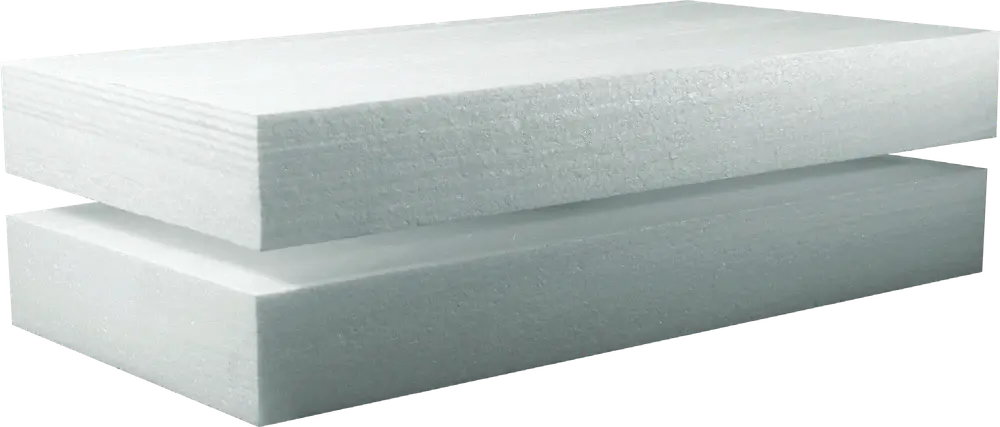
Visit the Chema XPS product page for grade specifications and storage guidelines, or read our White EPS Foam guide to compare applications.
Product-specific design and application must follow approved project specifications and current technical documents.