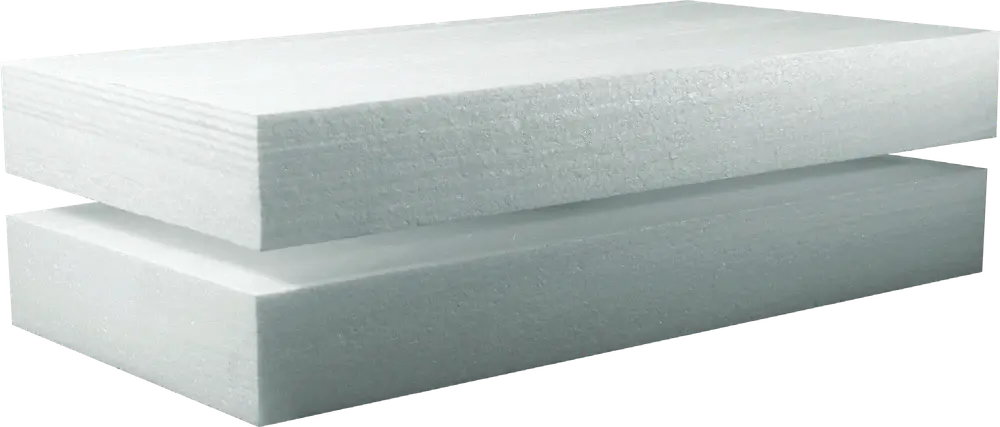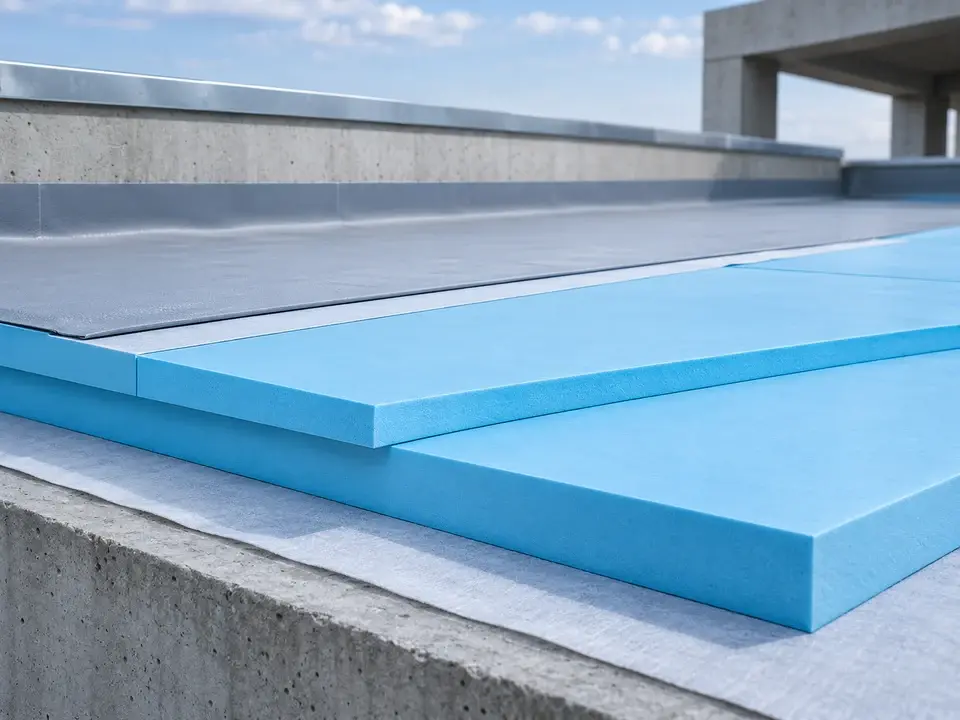
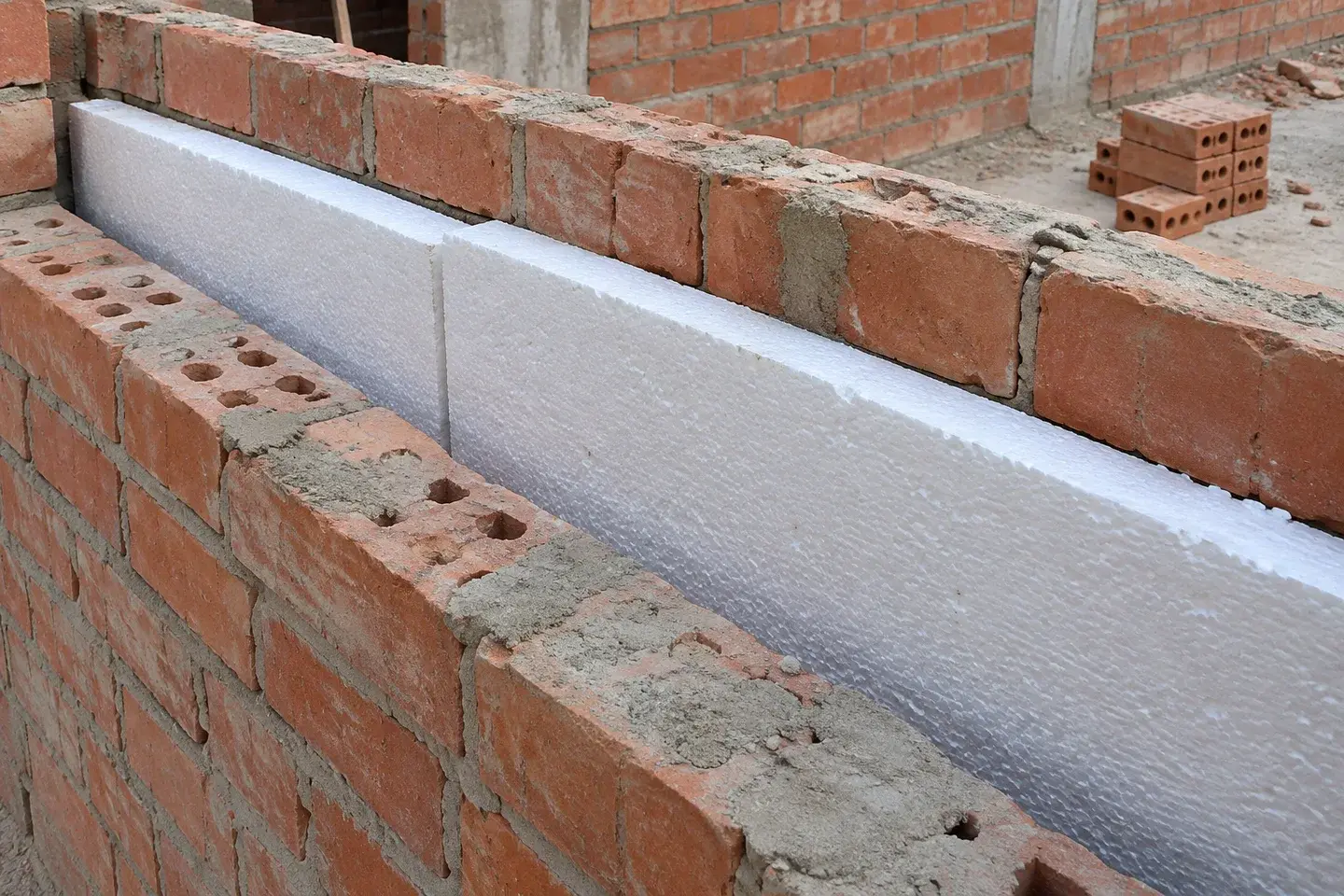
 White expanded polystyrene insulation between two brick leaves
Introduction
Have you considered how much your building's exterior walls contribute to rising electricity bills?
During peak summer months, solar heat does not enter solely through windows and roofs; exterior walls transmit a substantial share of heat indoors. The result is longer air-conditioning cycles, higher utility costs, and reduced occupant comfort.
Specifying white EPS foam for thermal insulation is therefore far more than a minor construction add-on—it is a long-term investment in building energy efficiency.
With Chema White EPS from Chema Foam, project teams gain a practical solution combining thermal insulation, low weight, and application versatility.
What Is Chema White EPS?
Chema White EPS consists of rigid boards made from expanded polystyrene (EPS), produced by expanding polystyrene beads into a lightweight cellular structure filled with microscopic air pockets that restrict heat transfer.
It is widely used for thermal insulation in walls, selected acoustic assemblies, void filling, and expansion joint filler applications in accordance with project design requirements.
Chema Foam supplies Chema White in multiple densities ranging from 10 to 35 kg/m³ to address diverse construction and civil engineering needs.
Why Choose White EPS Foam For Thermal Insulation In Egypt?
Materials that trim upfront construction costs do not always reduce a building's operating expenses.
As summer temperatures climb across Egypt, effective thermal insulation has become essential for improving the energy performance of residential and commercial buildings.
Chema White EPS boards deliver several practical advantages:
- Effective thermal insulation: Helps curb heat transfer through exterior and cavity walls.
- Lightweight handling: Simplifies transport, site storage, and installation.
- Wide density range: Enables precise grade selection tailored to each application.
- Easy fabrication: Boards can be cleanly cut on site to fit exact dimensions.
- Energy efficiency: Helps lower HVAC cooling loads when integrated into a complete insulation system.
- Multi-purpose versatility: Suitable for thermal insulation, void filling, and selected expansion joints.
Chema Foam notes that electricity savings of up to 40% are achievable under suitable conditions, though actual savings depend on building design, insulation system detailing, and operating conditions.
Construction Applications Of Chema White EPS
White EPS foam is more than a board placed between masonry leaves—it serves multiple engineering functions.
1. Wall Thermal Insulation
Installed between two masonry wythes in double-leaf (cavity) walls, white EPS reduces heat transfer and helps maintain stable indoor thermal comfort.
2. Acoustic Insulation
EPS can be incorporated into wall assemblies engineered to improve acoustic performance, bearing in mind that overall sound attenuation depends on the entire wall buildup rather than the foam alone.
3. Void Filling
Chema White EPS provides a lightweight void-filling medium for structural and architectural applications where minimizing dead load is important.
4. Expansion Joints
Appropriate grades can serve as compressible joint fillers in selected expansion joints, subject to structural design detailing.
White EPS Density: Is Higher Always Better?
One of the most common procurement mistakes with white EPS is selecting a density without evaluating the actual application.
Chema Foam manufactures seven standard densities: 10, 12, 15, 20, 25, 30, and 35 kg/m³.
According to technical data, compressive strength ranges from 58 to 220 kPa depending on density, alongside corresponding variations in thermal resistance and water absorption.
However, density selection should never rely on compressive strength alone; specifiers must also account for board thickness, expected loads, moisture exposure, and target thermal performance.
Engineers can consult the official Chema White EPS – Technical Data Sheet for full specifications and test results.
The right choice is not simply the highest density—it is the grade properly matched to your project.
White EPS Vs. Blue XPS: Understanding The Difference
Engineers and contractors frequently ask whether to specify white EPS foam or blue XPS foam.
White EPS is produced via bead expansion, offering low weight and a wide range of densities, making it a staple for cavity wall insulation and void filling.
By contrast, blue foam Chema XPS from Chema Foam is produced by extrusion, generally providing lower water absorption and grades suited to applications requiring higher compressive strength.
Ultimately, the right choice depends on the project's technical requirements—not just foam color or unit price.
How Is Chema White EPS Installed In Walls?
Chema Foam outlines a wall installation method built around two parallel masonry wythes with Chema White boards fitted tightly between them prior to finishing works.
To ensure consistent field performance, minimize joints and gaps between boards, follow proper anchoring and moisture-protection details, and mitigate thermal bridges at concrete columns and beams wherever feasible.
Boards must also be protected from open flames, sparks, and incompatible solvents, and should never be left exposed in unapproved applications.
Chema White EPS From Chema Foam: Specify Smart Insulation From The Start
Whether you are a consulting engineer, general contractor, or property developer, selecting the right insulation material enhances build quality and long-term operational efficiency.
With Chema White EPS from Chema Foam, you can choose from multiple densities engineered to meet your project's exact requirements.
Explore Chema White EPS and request a quote from Chema Foam to specify the ideal density and thickness for your build.
Product-specific design and application must follow approved project specifications and current technical documents.