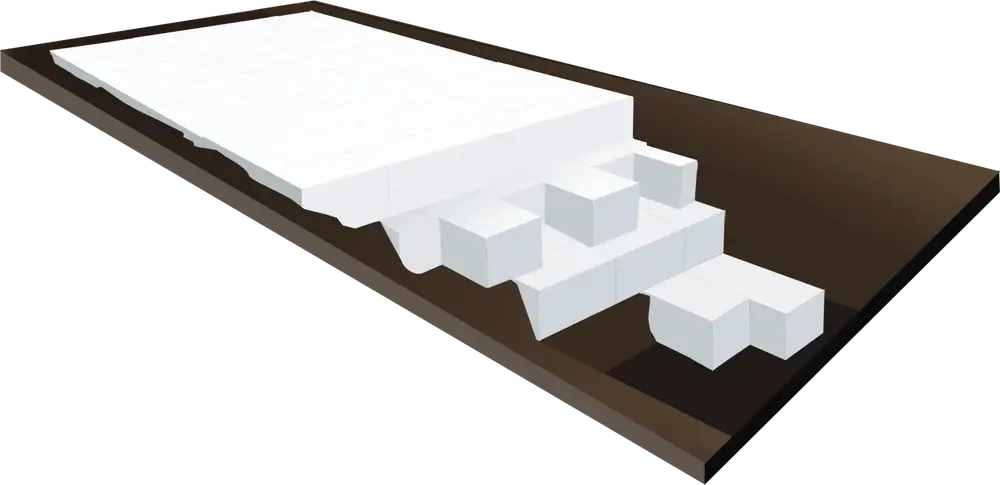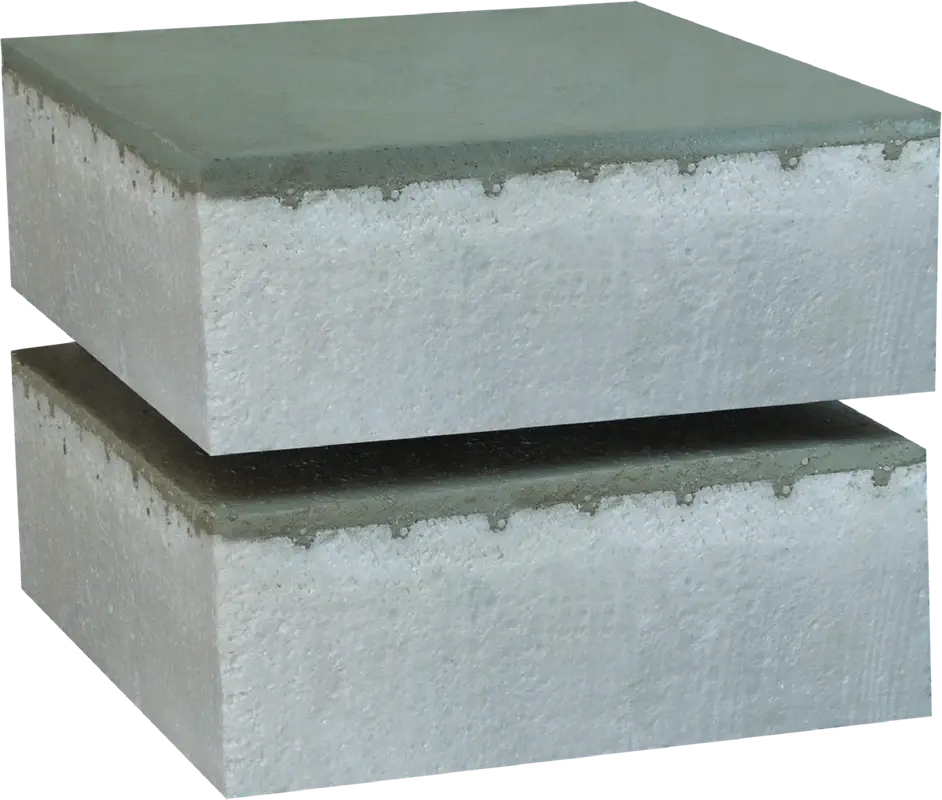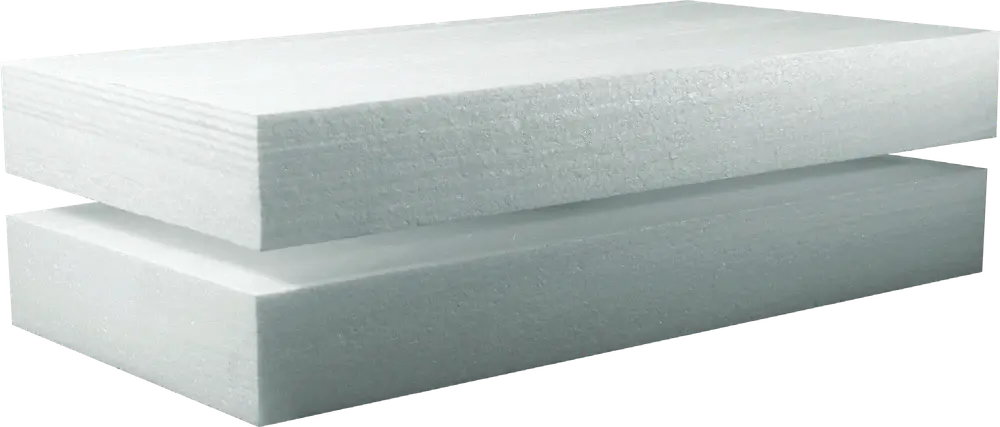
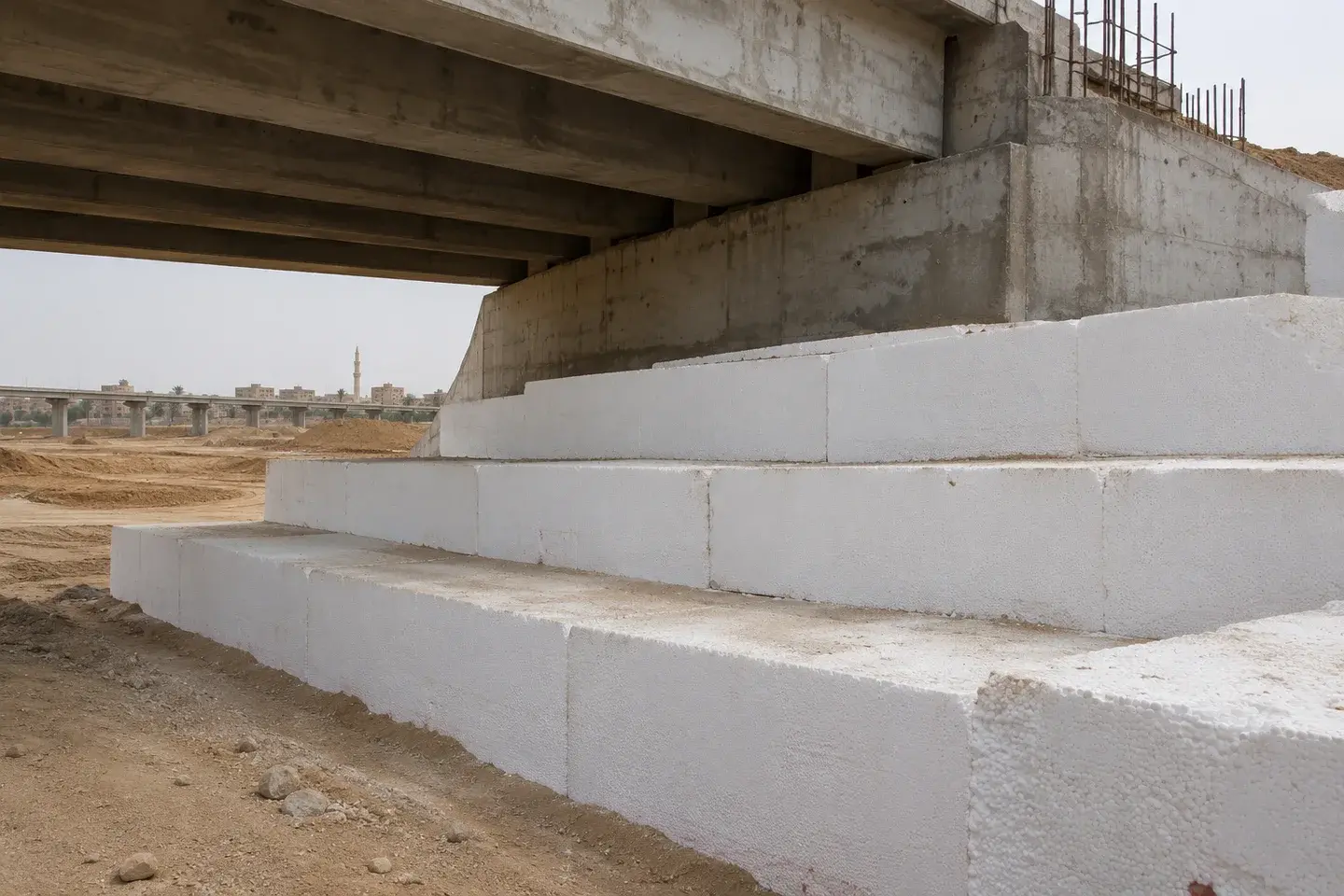
 White EPS geofoam blocks beside a concrete bridge abutment
Introduction
Can you build a road or bridge over weak soil without overloading it with massive conventional embankment fill?
In infrastructure projects, every additional meter of traditional fill adds substantial dead load to the subgrade and surrounding structures. On low-bearing-capacity soils, that extra weight can trigger excessive settlement and higher lateral earth pressures—driving up construction costs and requiring complex ground-improvement works.
But what if you could replace a large portion of conventional soil fill with a far lighter engineered material?
That is where Chema Geofoam by Chema Foam comes in as a specialized lightweight engineered fill for roads, bridges, and civil engineering structures.
What Is Chema Geofoam?
Chema Geofoam consists of engineered rigid expanded polystyrene (EPS) blocks used as a lightweight alternative to conventional soil and granular fill.
According to Chema Foam's technical data, geofoam can weigh as little as 1% of conventional soil fill, depending on the specified density and reference soil.
Manufactured in accordance with ASTM D6817 for EPS geofoam, the product combines ultra-low density with predictable compressive resistance that varies by grade.
Is low weight alone enough? Not on its own—system performance depends on selecting the right density grade and designing the embankment layers to match project loads.
Why Use Chema Geofoam Instead Of Conventional Fill?
Sometimes the smartest way to solve a bearing-capacity problem is not just strengthening the soil—it is reducing the load placed on it from the start.
Chema Geofoam delivers several key engineering advantages:
- Reduced vertical dead loads: Helps lower overburden stress on soft subgrades and buried utilities or structures beneath the fill.
- Lower lateral earth pressures: Ideal as backfill behind retaining walls and bridge abutments to minimize horizontal thrust.
- Faster construction schedules: Blocks arrive ready for placement with no curing time required for the blocks themselves.
- Easy site handling: Lightweight blocks simplify transport, staging, and placement across the jobsite.
- Design flexibility: Blocks can be manufactured and custom-cut to fit project geometry.
- Improved construction efficiency: Can reduce reliance on heavy earthmoving equipment and deep compaction operations.
Actual time and cost savings depend on the geotechnical design, site conditions, and comparison against alternative ground-improvement options.
Engineering Applications Of Chema Geofoam
Geofoam is more than a soil substitute—it is a precision geotechnical solution for projects that require strict control over weight and earth pressure.
1. Road Construction Over Soft Soils
Used as lightweight core fill in highway embankments and roadbeds to reduce overburden loads and mitigate settlement risk following geotechnical investigation.
2. Bridge Approaches and Elevated Structures
Widely applied in bridge approach embankments, where controlling differential settlement between the abutment and roadway is critical.
3. Retaining Wall Backfill
Placing Chema Geofoam behind retaining walls reduces backfill weight and helps lower lateral earth pressures within the approved structural design.
4. Grade Raising and Structural Landscaping
Used in landscaping, podium decks, and grade-raising works where minimizing dead load on underlying slabs or soils is essential.
5. Railways and Airport Infrastructure
Can be evaluated within specialized rail and airport embankment systems, provided all operational load, fatigue, and safety requirements are met.
How To Select The Right Chema Geofoam Density
The biggest mistake in geofoam specification is choosing blocks based solely on unit price or nominal density.
Chema Geofoam is available in multiple grades, each offering different compressive resistance, elastic modulus, and water absorption characteristics.
The design engineer should specify the grade based on dead and live loads, allowable settlement limits, groundwater conditions, and the protective capping layers.
Chema Foam supplies standard widths of 1.2 m and lengths ranging from 2.4 m to 4.8 m, with custom dimensions available to order.
Before finalizing project specifications, review the full technical data on the official Chema Geofoam product page.
On-Site Installation Of Chema Geofoam
Even the right engineered material can lose its core advantage if installed without the proper system details.
Installation begins with subgrade preparation and leveling per the design drawings, followed by laying the geofoam blocks in the specified courses and orientations.
Crews must maintain tight, staggered joints, prevent block shifting during placement, and install all required separation, drainage, and load-distribution layers.
A critical design check is buoyancy control in areas with high groundwater tables or flood risk: because EPS has very low density, it can float unless counterbalanced or properly anchored.
Blocks must also be protected from open flames, incompatible petroleum-based solvents, and prolonged direct UV exposure.
What Is The Difference Between Chema Geofoam And Chema Block?
Although both products are made from EPS, each serves a distinct structural purpose.
Chema Geofoam is engineered primarily for geotechnical fill and load reduction over soils and infrastructure.
Chema Block by Chema Foam, on the other hand, is a lightweight void-former designed for hollow-block (hourdi) slabs and concrete floor systems.
Chema Foam also offers Chema White EPS for thermal insulation and general void-fill applications according to its specific technical grade.
Chema Geofoam: A Lighter Solution For Bigger Infrastructure
In road and bridge engineering, tougher challenges do not always call for heavier materials—sometimes the smartest breakthrough starts with cutting weight and optimizing load distribution.
With Chema Geofoam by Chema Foam, engineers and contractors can evaluate a proven, purpose-built alternative to conventional fill for weight-sensitive civil works.
Request a quote from Chema Foam or consult our engineering design team to specify the right grade for your project.
Core product properties and application details are based on Chema Foam's official Chema Geofoam documentation, aligned with U.S. Federal Highway Administration (FHWA) guidance on EPS geofoam in highway embankments.
Product-specific design and application must follow approved project specifications and current technical documents.