

Project case study
MSA University Extension
6th of October City, Giza, Egypt
- Sector
- Education
- Location
- 6th of October City, Giza, Egypt
- Materials
- XPS
- Project partners
- Aloubor
Project overview
MSA University Extension is presented as an engineering case study in 6th of October City, Giza, Egypt. An expanding university must connect new academic accommodation to existing campus circulation while keeping roof and service details maintainable. Chema Foam materials include XPS, with project partners MSA University · Aloubor. The architectural reading centres on academic roof assemblies / laboratory service interfaces / perimeter thermal continuity. These zones describe a coordinated design scope rather than an as-built quantity, connecting the project’s spatial character to practical decisions about insulation, protection layers and the long-term accessibility of adjoining construction.
Scope of application
- Academic roof assemblies
- Laboratory service interfaces
- Perimeter thermal continuity
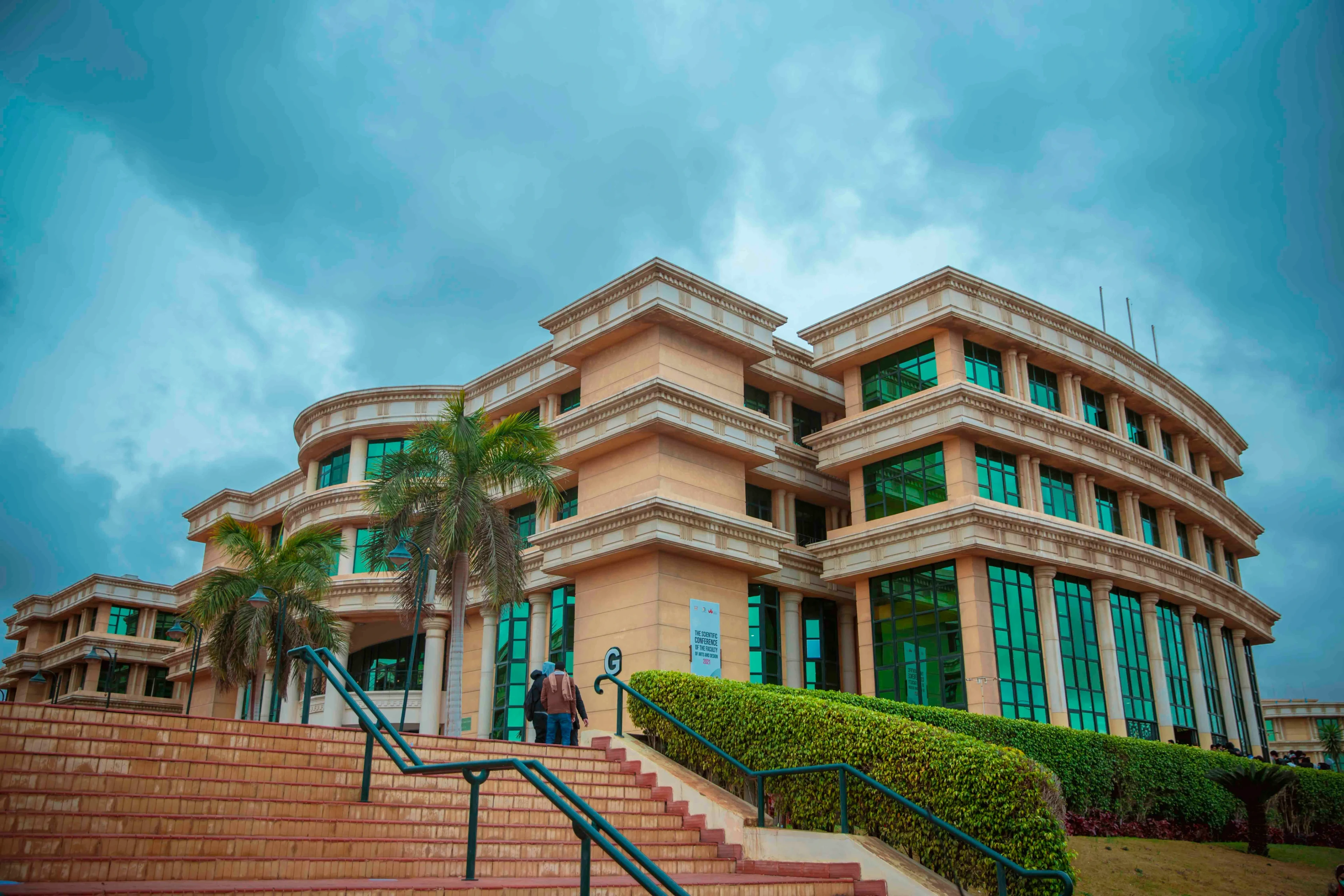
- 6th of October City, Giza, Egypt
- Location
- Campus-wide envelope
- Project scope
- XPS
- Materials
Dates and application zones are indicative and should be checked against the final project design.
The challenge
At MSA University Extension, continuity at the interfaces matters as much as the insulation itself. Different indoor requirements sets the coordination priority.
6th of October City, Giza, Egypt · Campus-wide envelope
An expanding university must connect new academic accommodation to existing campus circulation while keeping roof and service details maintainable. For MSA University Extension, the main constraints are different indoor requirements / dense service penetrations / maintainable campus details. Each condition affects how an insulation layer meets adjacent construction, especially at changes of level, penetrations and exposed edges. The team working with MSA University · Aloubor needs coordinated construction details before follow-on work conceals those interfaces. Moisture control, load transfer and safe access therefore belong in the detail review, with application-specific limits checked against drawings rather than inferred from the material name alone.
- 01Different indoor requirements
- 02Dense service penetrations
- 03Maintainable campus details
The material solution
Chema Foam materials include XPS for MSA University Extension. Closed-cell XPS offers moisture-resistant rigid insulation; thickness, thermal conductivity, compression and fire compatibility must match the approved assembly. The proposed technical reading focuses on academic roof assemblies / laboratory service interfaces / perimeter thermal continuity, linking each zone to substrate preparation and adjacent protection layers. Coordination with MSA University · Aloubor should distinguish insulation from waterproofing: joints and membranes need their own compatible details, and are not additional confirmed supplies. A continuous thermal line, appropriate service loading and maintainable transitions provide a stronger specification basis than a single headline product property.
The material solutionMSA University Extension illustrates how campus-wide envelope depends on coordinated interfaces as well as material selection. An expanding university must connect new academic accommodation to existing campus circulation while keeping roof and service details maintainable. The intended outcome is continuity across academic roof assemblies, reduced vulnerability at junctions and a maintainable assembly. Coordination between the project partners supports a coherent architectural outcome. These are engineering priorities, not claimed measured energy savings: final thermal resistance, compression performance and moisture behaviour require approved grades, installed thicknesses and project-specific inspection evidence.
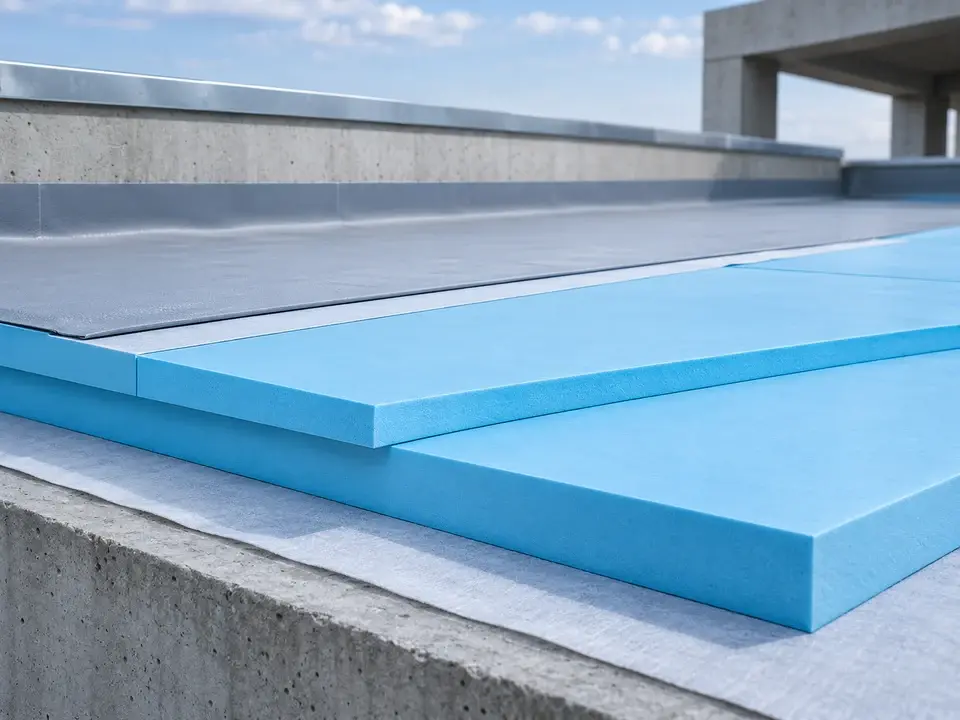
XPS - Blue Foam
Extruded polystyrene insulation in Basic, Standard, Pro and Advanced grades.
View productSpecification priorities
Closed-cell XPS offers moisture-resistant rigid insulation; thickness, thermal conductivity, compression and fire compatibility must match the approved assembly.
Implementation
Implementation of MSA University Extension links architectural intentions to durable, buildable construction details. The workflow starts with academic roof assemblies, then resolves different indoor requirements through coordinated drawings and material review. Deliveries should retain batch and grade identification, with protected storage and sequenced release to each work front. Before covering the work, inspect joints, cuts, levels and adjoining protection; record exceptions and corrective actions so later trades can proceed against clear, coordinated construction details.
- 03
Surface Seal & Protection
- 02
Chema Foam Core (PE / EPE / PU)
- 01
Prepared Structural Substrate
Define the application
Review academic roof assemblies at MSA University Extension; establish different indoor requirements and issue the drawing interfaces for review.
Review the material dossier
Match XPS to the project’s application requirements. Review the grade, dimensions, test documentation and constraints with MSA University · Aloubor.
Coordinate the interfaces
Resolve laboratory service interfaces and dense service penetrations. Agree protection, storage and release sequencing before the next trade closes the assembly.
Inspect and document
Check perimeter thermal continuity against the agreed details. Record batch identity, visible defects and corrective actions for MSA University Extension before covering the work.
Project partners
MSA University
Aloubor
The project, in focus.
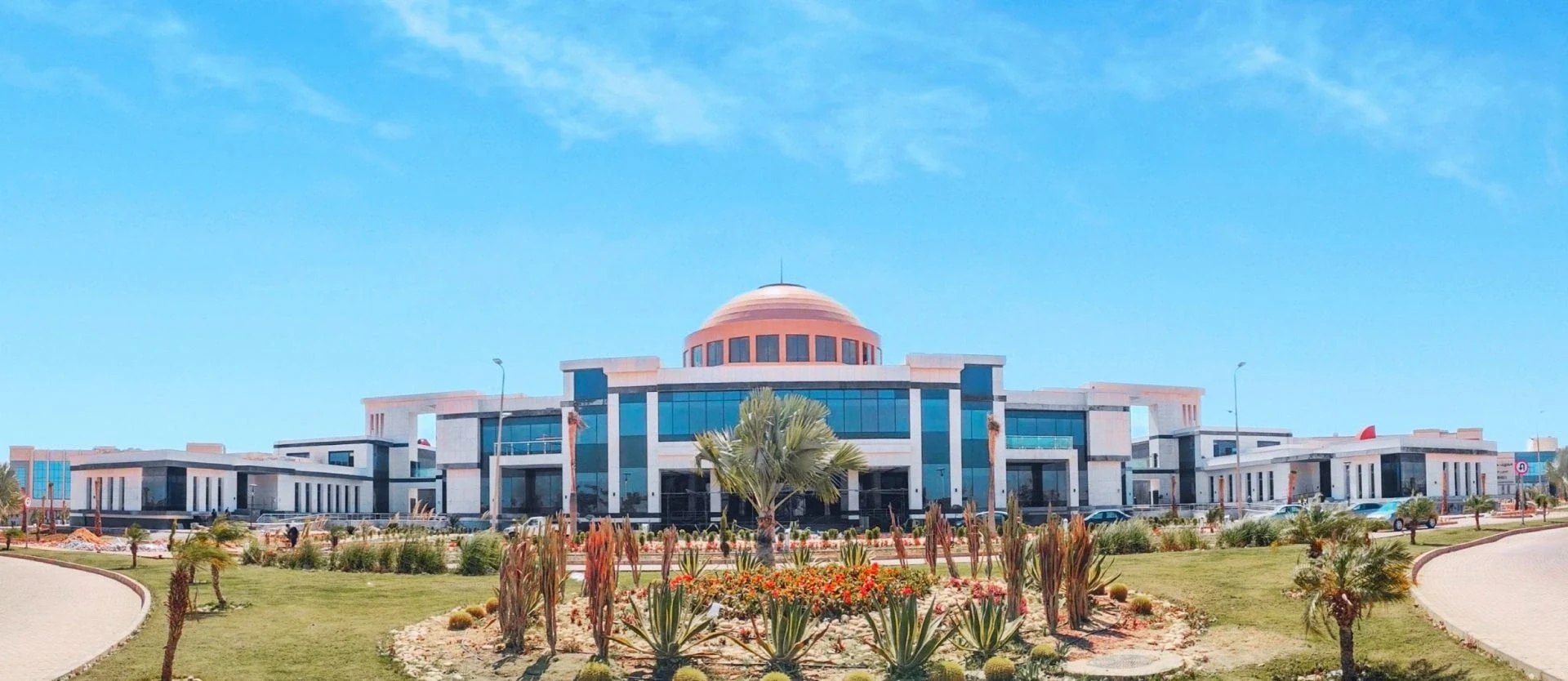
Zewail City Of Science And Technology
Zewail City of Science and Technology is presented as an engineering case study in 6th of October City, Giza, Egypt.
View case study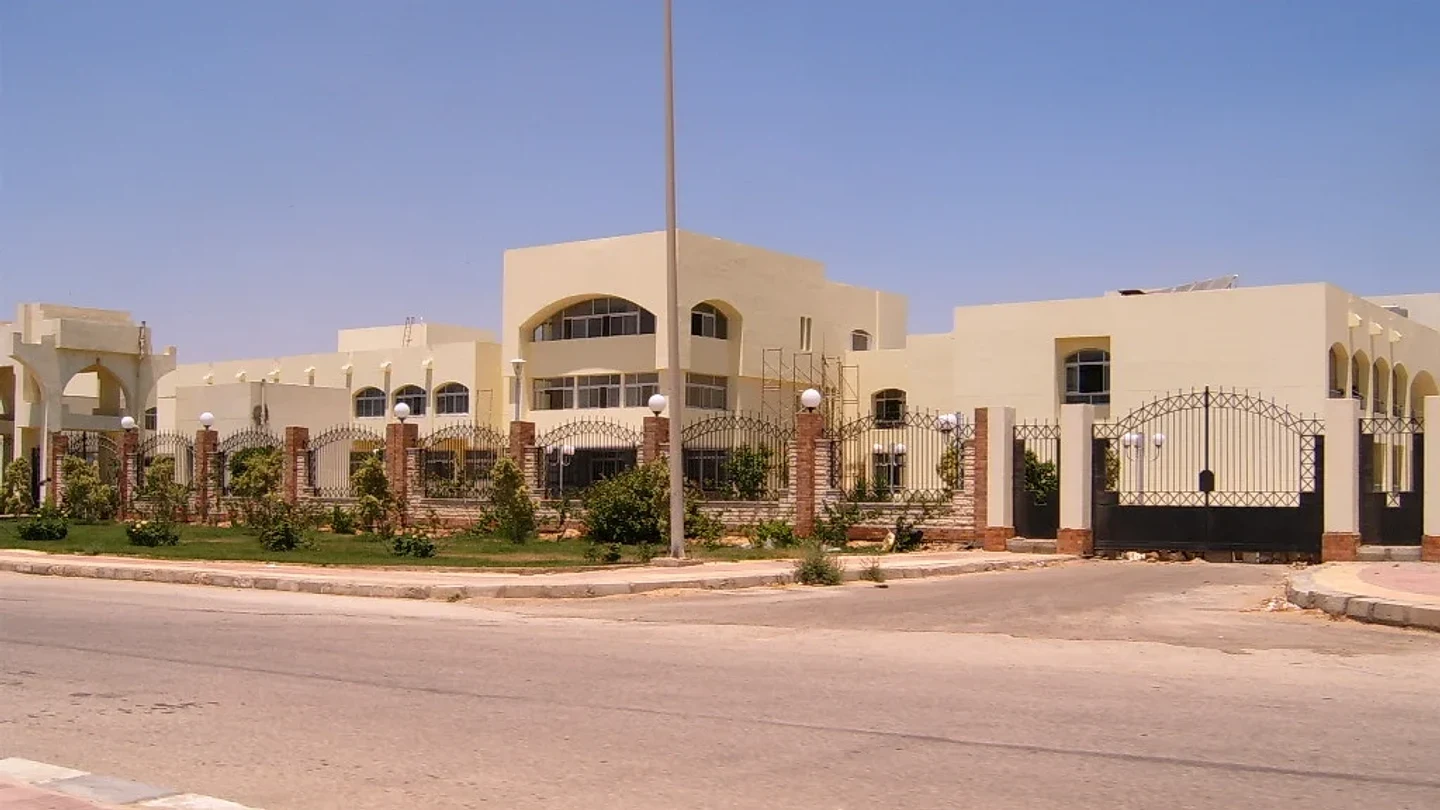
Badr Egypt Housing Basic Education School
Badr Egypt Housing Basic Education School is presented as an engineering case study in Badr City, Egypt.
View case study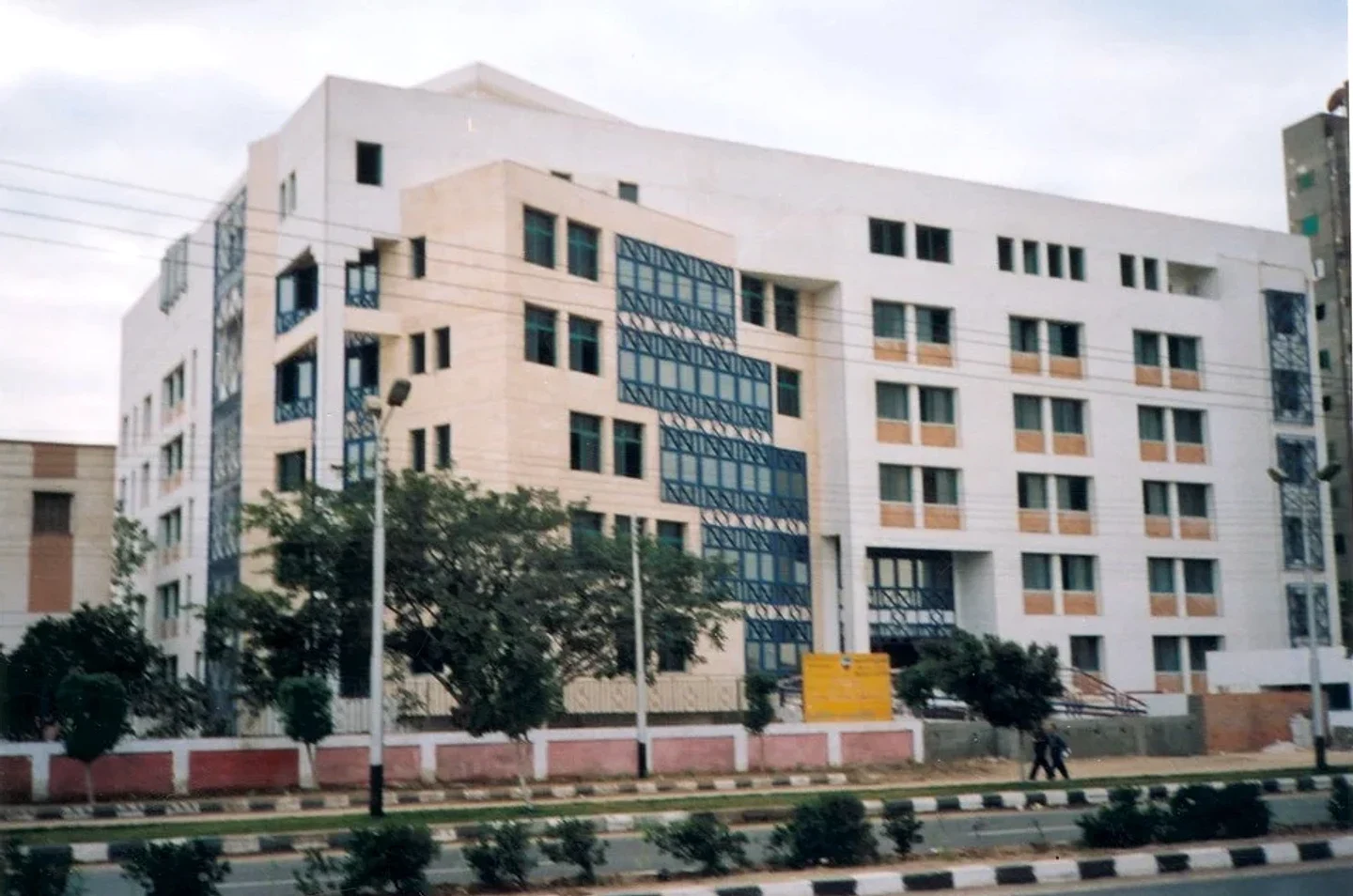
Minya Faculty Of Oral And Dental Medicine Extension
Minya Faculty of Oral and Dental Medicine Extension is presented as an engineering case study in New Minya, Egypt.
View case studyR03 Residential District
BUILDING TOGETHER
Let’S Plan Your Next Project.
Share your application, quantities and project location to discuss the next step.