

Project case study
Military Security Approval
Cairo, Egypt
- Sector
- Authorities and approvals
- Location
- Cairo, Egypt
- Materials
- XPS, EPS & PE Insulation and Joint Systems
- Project partners
- military ministry
Project overview
Military Security Approval is presented as an engineering case study in Cairo, Egypt. Military security coordination supports the controlled movement of materials and specialist teams within construction environments. The material strategy follows the building’s performance requirements, with project partners military ministry. The architectural reading centres on material identification review / design coordination / project-specific release conditions. These zones describe a coordinated design scope rather than an as-built quantity, connecting the project’s spatial character to practical decisions about insulation, protection layers and the long-term accessibility of adjoining construction.
Scope of application
- Material identification review
- Design coordination
- Project-specific release conditions
Dates and application zones are indicative and should be checked against the final project design.
The challenge
At Military Security Approval, continuity at the interfaces matters as much as the insulation itself. Document revision control sets the coordination priority.
Cairo, Egypt · Institutional technical dossier
Military security coordination supports the controlled movement of materials and specialist teams within construction environments. For Military Security Approval, the main constraints are document revision control / limits of institutional review / traceable responsibility allocation. Each condition affects how an insulation layer meets adjacent construction, especially at changes of level, penetrations and exposed edges. The team working with military ministry needs coordinated construction details before follow-on work conceals those interfaces. Moisture control, load transfer and safe access therefore belong in the detail review, with application-specific limits checked against drawings rather than inferred from the material name alone.
- 01Document revision control
- 02Limits of institutional review
- 03Traceable responsibility allocation
The material solution
The specification review brings material identification, technical documentation and release conditions into one traceable dossier. XPS and EPS insulation grades are assessed against the application, while joint and backing systems follow the interface geometry and movement requirements. Clear revision control connects each proposed material to its drawings, supporting tests and review responsibilities.
The priority is a consistent technical basis for subsequent project reviews: identifiable material grades, current supporting documents and clear responsibility for each interface. Project release remains tied to the relevant drawings and application requirements, with administrative clearance and technical assessment handled through their respective review processes.
Implementation
Implementation of Military Security Approval links architectural intentions to durable, buildable construction details. The workflow starts with material identification review, then resolves document revision control through coordinated drawings and material review. Deliveries should retain batch and grade identification, with protected storage and sequenced release to each work front. Before covering the work, inspect joints, cuts, levels and adjoining protection; record exceptions and corrective actions so later trades can proceed against clear, coordinated construction details.
- 03
Surface Seal & Protection
- 02
Chema Foam Core (PE / EPE / PU)
- 01
Prepared Structural Substrate
Define the application
Review material identification review at Military Security Approval; establish document revision control and issue the drawing interfaces for review.
Review the material dossier
Match the selected materials to the project’s application requirements. Review the grade, dimensions, test documentation and constraints with military ministry.
Coordinate the interfaces
Resolve design coordination and limits of institutional review. Agree protection, storage and release sequencing before the next trade closes the assembly.
Inspect and document
Check project-specific release conditions against the agreed details. Record batch identity, visible defects and corrective actions for Military Security Approval before covering the work.
Project partners
military ministry
The project, in focus.
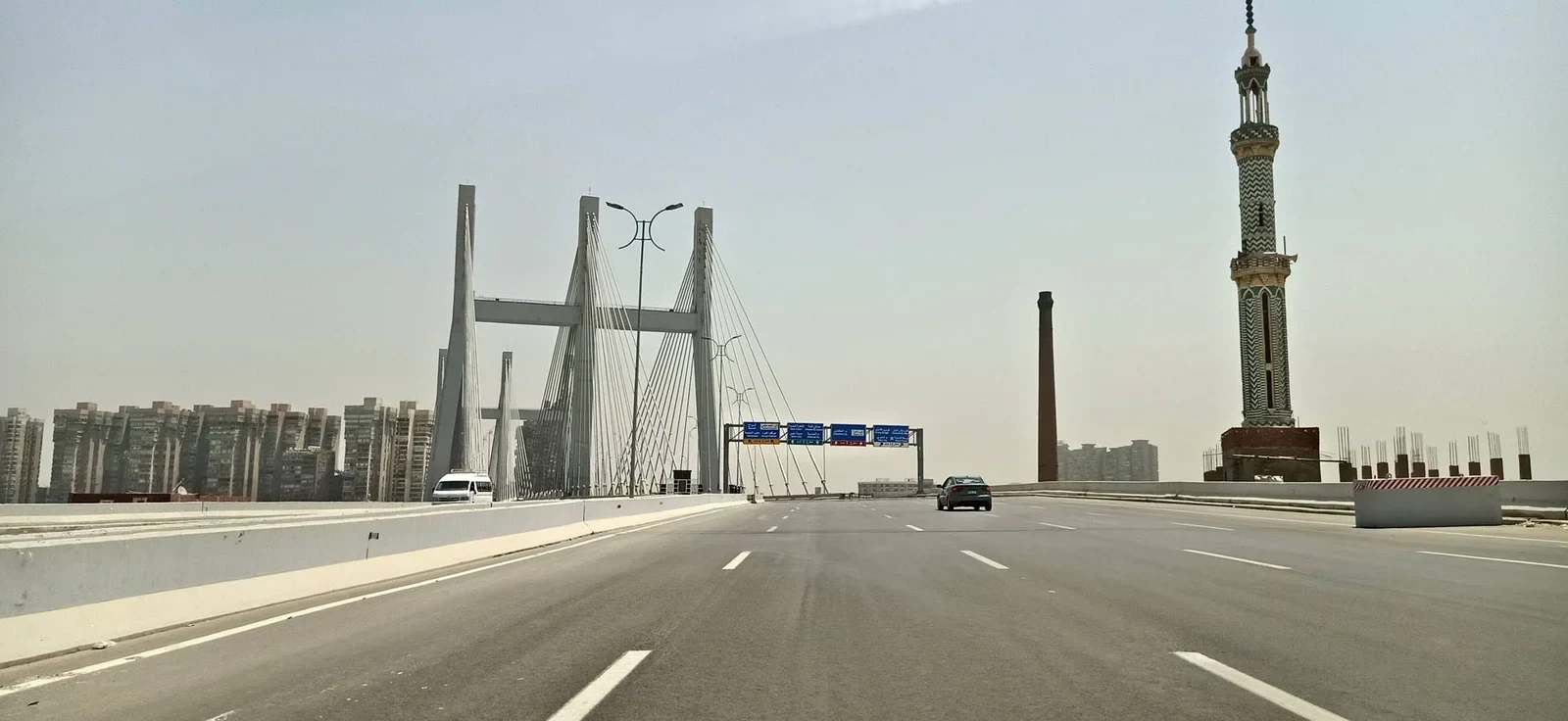
Engineering Authority Of The Armed Forces
Engineering Authority of the Armed Forces is presented as an engineering case study in Cairo, Egypt.
View case study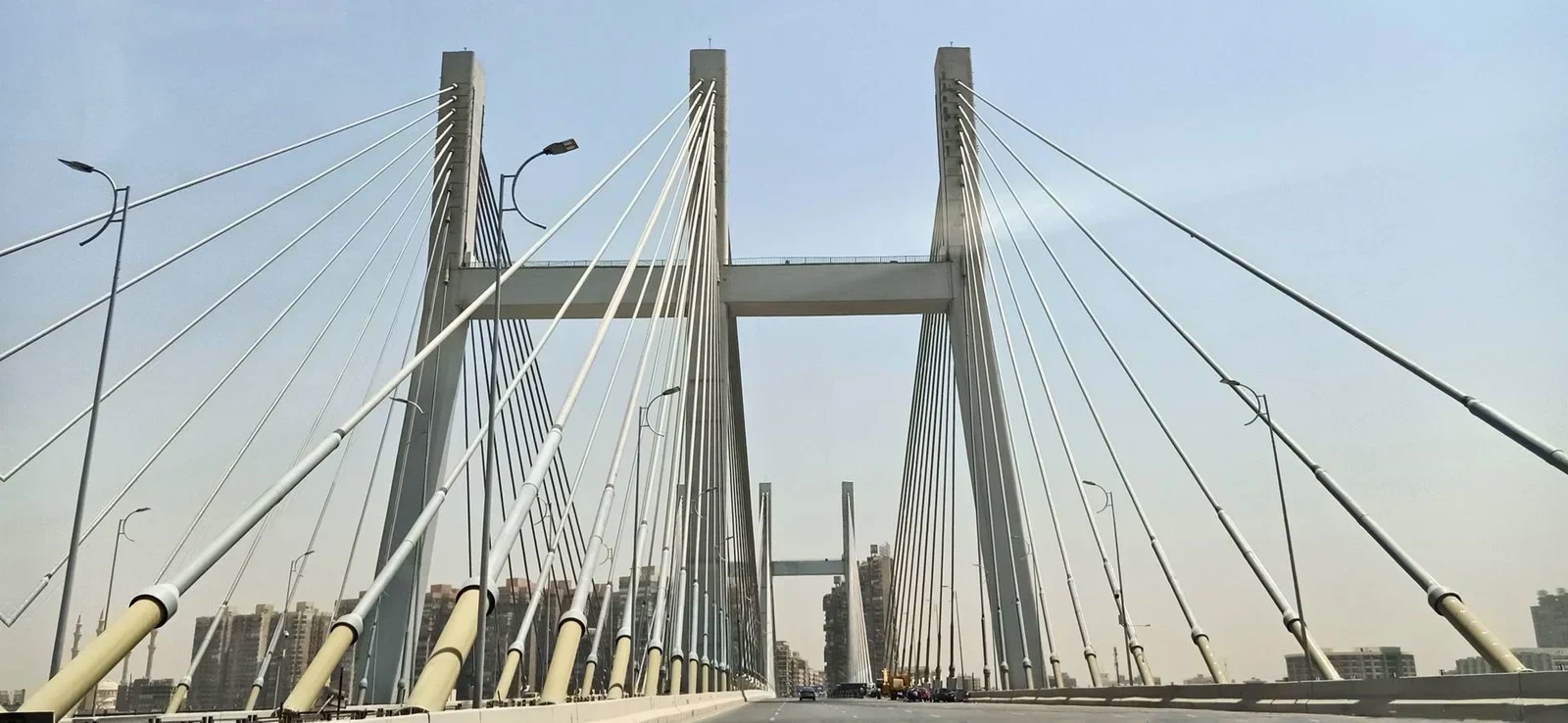
Military Works Department
Military Works Department is presented as an engineering case study in Cairo, Egypt.
View case study
Zewail City Of Science And Technology
Zewail City of Science and Technology is presented as an engineering case study in 6th of October City, Giza, Egypt.
View case studyMivida
BUILDING TOGETHER
Let’S Plan Your Next Project.
Share your application, quantities and project location to discuss the next step.