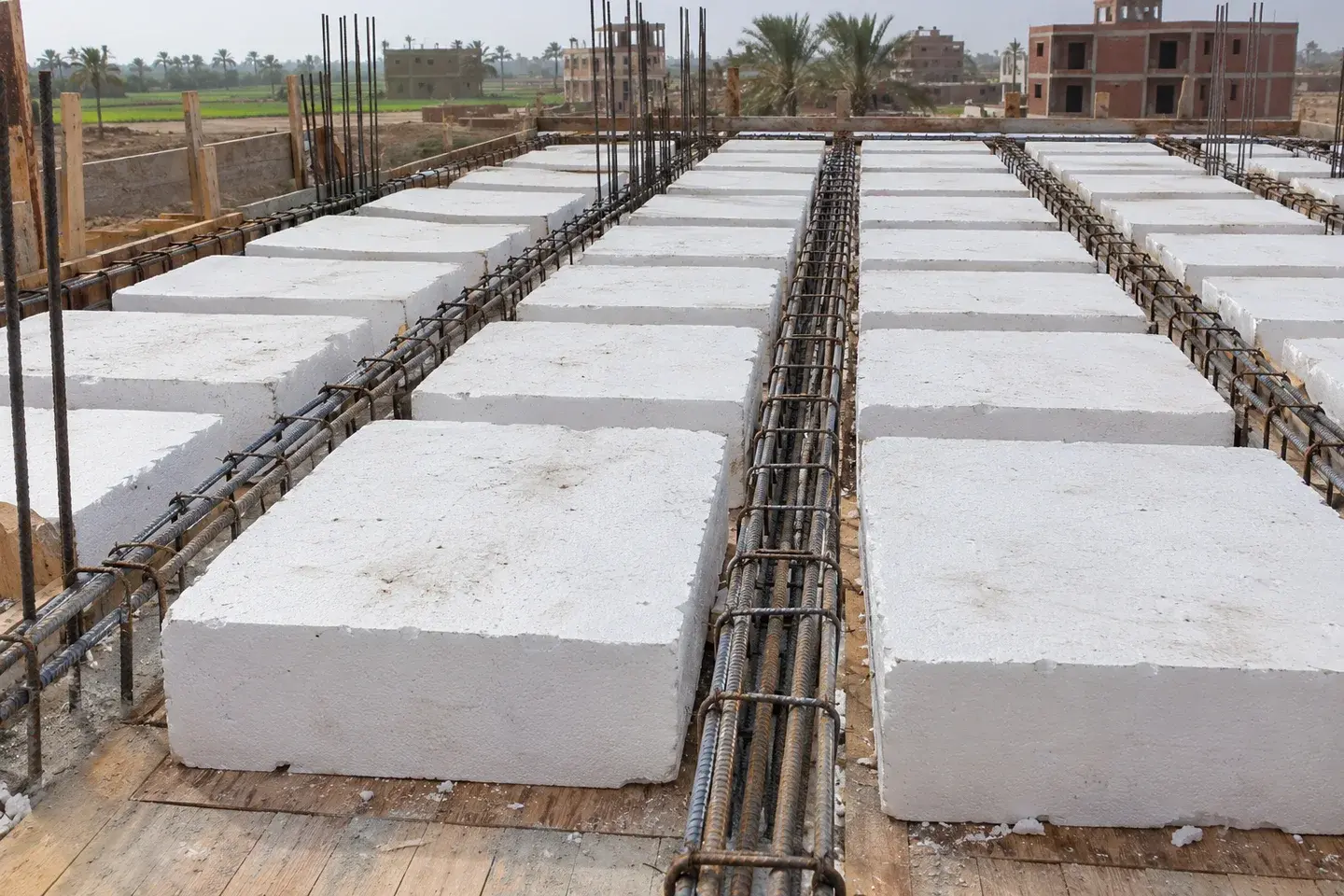
 White infill blocks arranged between reinforcement channels in a ribbed slab
Introduction
Can you reduce slab dead load, concrete volume, and rebar consumption without compromising structural safety?
In modern construction, the challenge is not merely building a strong structure—it is achieving the right balance between structural efficiency, cost control, and speed of execution.
Every cubic meter of concrete and every ton of reinforcing steel directly impacts the project budget, especially in large footprints and wide-span designs.
This is where Chema Block by Chema Foam provides an engineered solution for lightweight construction and ribbed (Hordi) slab systems.
What Is Chema Block?
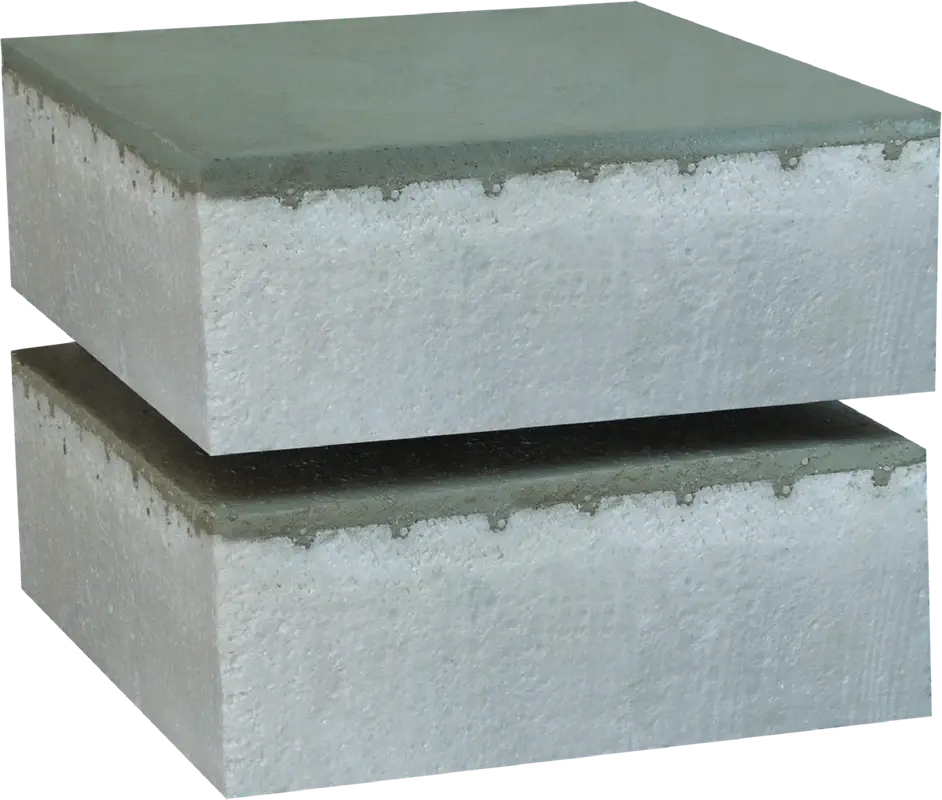
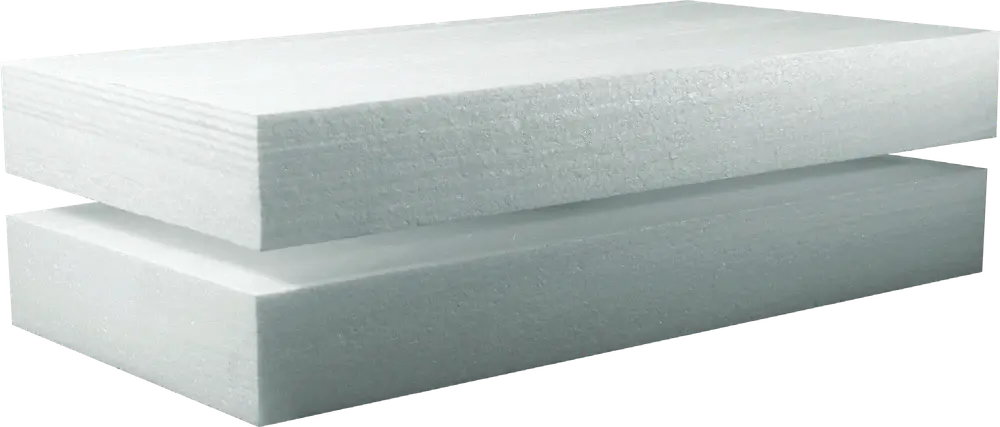
Chema Block is a lightweight void-former block system built around an expanded polystyrene (EPS) core coated with a layer of lightweight polymer concrete on one or both faces, depending on design requirements.
It serves as a replacement for conventional hollow filler blocks in reinforced concrete ribbed slabs, reducing slab self-weight and optimizing material usage.
According to Chema Foam's technical literature, Chema Block holds registered patent no. 20865, reflecting a purpose-built solution developed for modern construction requirements.
Does Reducing Slab Weight Compromise Structural Strength?
Not necessarily. Chema Block functions as a non-structural void former, while the reinforced concrete ribs and primary structural elements carry all design loads in accordance with the structural engineer's approved design.
Why Choose Chema Block Over Conventional Hordi Blocks?
The challenge isn't always the unit cost of materials—often, it's how much material the structure requires in the first place.
Using Chema Block reduces concrete volume in non-structural void zones, helping lower the slab's self-weight and permanent dead loads on the building frame.
Chema Foam indicates that, in suitable structural designs, the system can achieve potential savings of up to:
- 35% in concrete volume.
- 30% in reinforcing steel.
- 40% in overall construction cost.
These figures are manufacturer estimates rather than guaranteed outcomes for every project; actual savings depend on span lengths, applied loads, structural design, and comparative system analysis.
The core advantage is that lowering dead load enables structural engineers to optimize member sizing and allocate resources more efficiently.
Key Advantages Of Chema Block
1. Reduced Structural Dead Loads
Thanks to its lightweight EPS core, Chema Block significantly lowers the weight of void-forming zones compared to many conventional alternatives, which can positively influence the design of supporting structural elements.
2. Faster, Easier Site Handling and Installation
The low unit weight simplifies transport, hoisting, and layout across the slab formwork, streamlining site workflows and reducing the labor effort required to handle heavy masonry blocks.
3. Improved Thermal Performance
An internal core of Chema EPS expanded polystyrene adds inherent thermal insulation properties that help reduce heat transfer across the slab.
Overall thermal performance, however, depends on the complete roof or floor assembly—including concrete ribs, finishes, and dedicated insulation layers.
4. Dimensional Flexibility
Chema Foam manufactures Chema Block in custom dimensions tailored to project drawings, making it adaptable across a wide variety of structural layouts.
Applications Of Chema Block In Construction Projects
Is Chema Block limited to residential buildings?
Not at all. Manufacturer-listed applications span a broad range of structural uses:
- Reinforced concrete ribbed (Hordi) slabs.
- Wide-span concrete floor slabs.
- Select bridge deck applications.
- Tunnel roof slabs.
- Interior floor-level raising using lightweight structural fill.
For lightweight geotechnical embankments and road subbase fill, Chema Foam also supplies Chema Geofoam, a separate product engineered specifically for civil geotechnical fill.
How Is Chema Block Installed In Ribbed Slabs?
Proper execution is what turns product advantages into real on-site performance.
The technical data sheet outlines two indicative layout systems:
For spans of 5 to 7 meters: blocks are arranged in continuous rows between concrete ribs in a one-way ribbed slab configuration, with rib spacing of 40 to 60 cm and rib widths of 10 to 12 cm.
For spans of 8 to 12 meters: a two-way ribbed slab layout may be used, with rib spacing of 60 to 100 cm and rib widths of 12 to 15 cm.
These guidelines are indicative reference data from the manufacturer and do not replace certified structural engineering calculations.
Chema Block Technical Specifications
According to Chema Foam data, the EPS core density ranges from 10 to 35 kg/m³, while published compressive strength values range from 68 to 185 kPa depending on block dimensions and density.
Consult the official Chema Block Technical Data Sheet for complete technical parameters.
During installation, reinforcing steel must be properly supported on appropriate spacers (chairs), electrical conduits should be routed along designated paths between ribs, and standard concreting and curing practices must be strictly followed.
Chema Block By Chema Foam: Build With Greater Efficiency
Selecting a slab system is more than a site-execution choice—it is an engineering decision that shapes long-term structural weight, cost, and efficiency.
With Chema Block by Chema Foam, engineers and contractors can evaluate a lightweight alternative for ribbed slabs, benefiting from design flexibility and reduced material consumption wherever the system fits project requirements.
Request a quote from Chema Foam, or contact our Engineering & Design Services team to evaluate Chema Block for your project.
Product-specific design and application must follow approved project specifications and current technical documents.