
Project case study
Network Node 1
New Administrative Capital, Egypt
- Sector
- Infrastructure and transport
- Location
- New Administrative Capital, Egypt
- Materials
- XPS
- Project partners
- EHAF · Orascom
Project overview
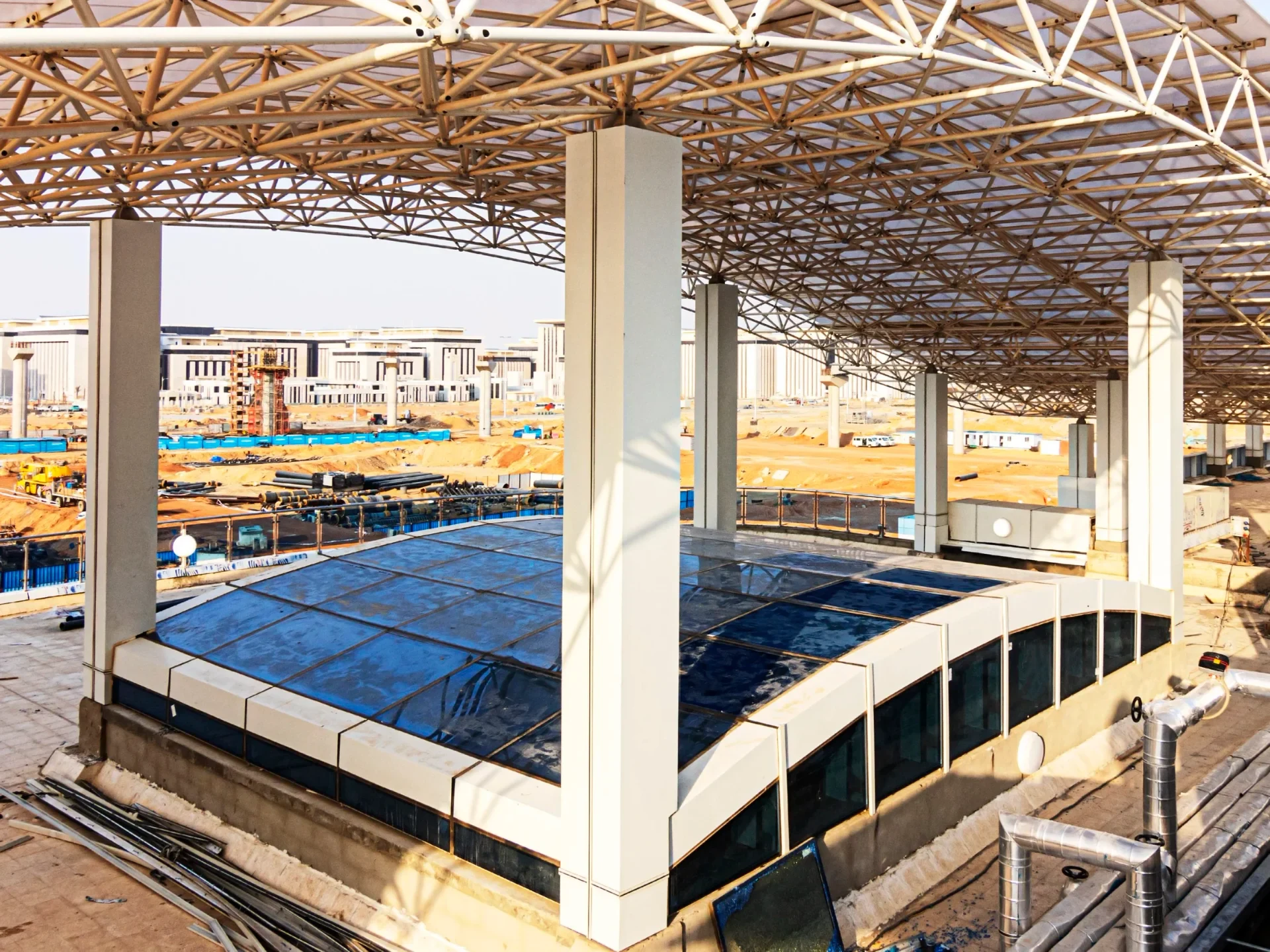
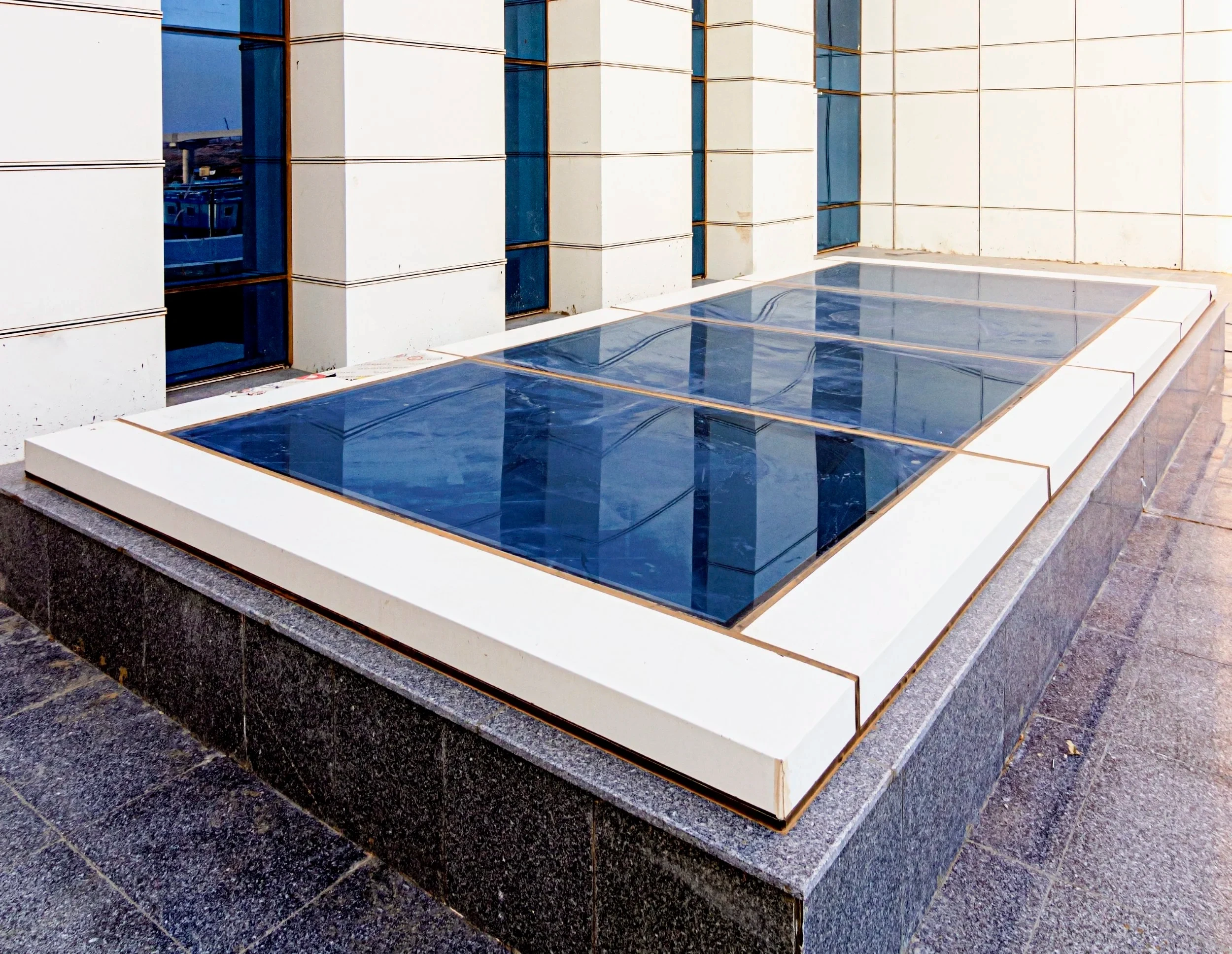
Network Node 1 is presented as an engineering case study in New Administrative Capital, Egypt. A network-support node requires careful detailing around service entries and maintainable roof zones protecting technical accommodation. Chema Foam materials include XPS, with project partners administrative capital urban authority · EHAF · Orascom. The architectural reading centres on service-building roofs / equipment access interfaces / protected technical slab zones. These zones describe a coordinated design scope rather than an as-built quantity, connecting the project’s spatial character to practical decisions about insulation, protection layers and the long-term accessibility of adjoining construction.
Scope of application
- Service-building roofs
- Equipment access interfaces
- Protected technical slab zones
- New Administrative Capital, Egypt
- Location
- Industrial service envelope
- Project scope
- XPS
- Materials
Dates and application zones are indicative and should be checked against the final project design.
The challenge
At Network Node 1, continuity at the interfaces matters as much as the insulation itself. Equipment maintenance access sets the coordination priority.
New Administrative Capital, Egypt · Industrial service envelope
A network-support node requires careful detailing around service entries and maintainable roof zones protecting technical accommodation. For Network Node 1, the main constraints are equipment maintenance access / concentrated construction loads / safe separation from hot equipment. Each condition affects how an insulation layer meets adjacent construction, especially at changes of level, penetrations and exposed edges. The team working with administrative capital urban authority · EHAF · Orascom needs coordinated construction details before follow-on work conceals those interfaces. Moisture control, load transfer and safe access therefore belong in the detail review, with application-specific limits checked against drawings rather than inferred from the material name alone.
- 01Equipment maintenance access
- 02Concentrated construction loads
- 03Safe separation from hot equipment
The material solution
Chema Foam materials include XPS for Network Node 1. Closed-cell XPS offers moisture-resistant rigid insulation; thickness, thermal conductivity, compression and fire compatibility must match the approved assembly. The proposed technical reading focuses on service-building roofs / equipment access interfaces / protected technical slab zones, linking each zone to substrate preparation and adjacent protection layers. Coordination with administrative capital urban authority · EHAF · Orascom should distinguish insulation from waterproofing: joints and membranes need their own compatible details, and are not additional confirmed supplies. A continuous thermal line, appropriate service loading and maintainable transitions provide a stronger specification basis than a single headline product property.
The material solutionNetwork Node 1 illustrates how industrial service envelope depends on coordinated interfaces as well as material selection. A network-support node requires careful detailing around service entries and maintainable roof zones protecting technical accommodation. The intended outcome is continuity across service-building roofs, reduced vulnerability at junctions and a maintainable assembly. Coordination between the project partners supports a coherent architectural outcome. These are engineering priorities, not claimed measured energy savings: final thermal resistance, compression performance and moisture behaviour require approved grades, installed thicknesses and project-specific inspection evidence.
XPS - Blue Foam
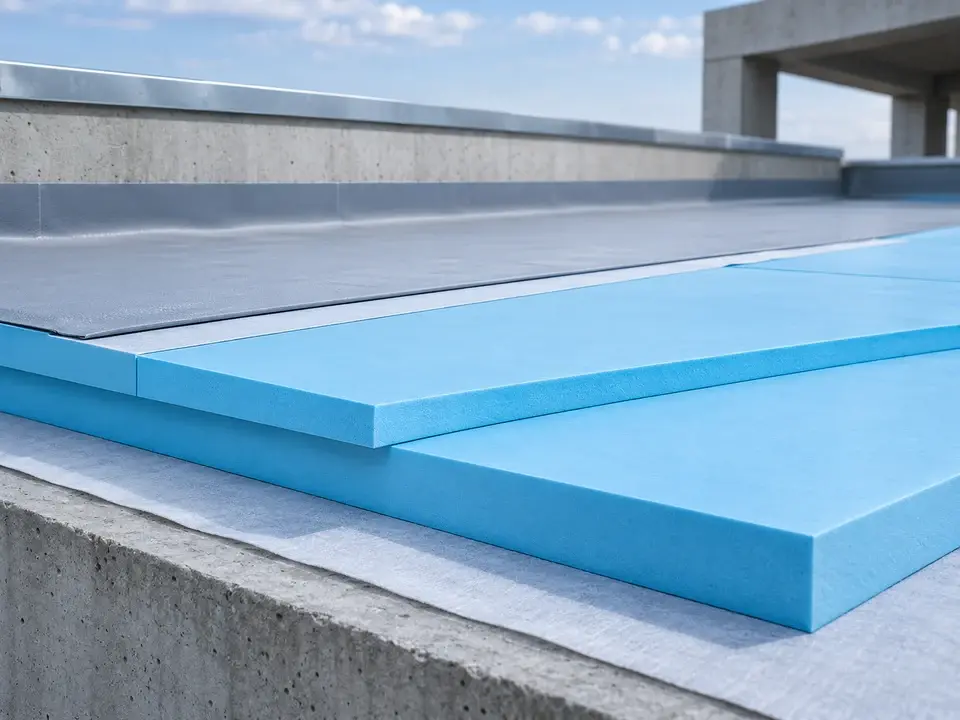
Extruded polystyrene insulation in Basic, Standard, Pro and Advanced grades.
View productSpecification priorities
Closed-cell XPS offers moisture-resistant rigid insulation; thickness, thermal conductivity, compression and fire compatibility must match the approved assembly.
Implementation
Implementation of Network Node 1 links architectural intentions to durable, buildable construction details. The workflow starts with service-building roofs, then resolves equipment maintenance access through coordinated drawings and material review. Deliveries should retain batch and grade identification, with protected storage and sequenced release to each work front. Before covering the work, inspect joints, cuts, levels and adjoining protection; record exceptions and corrective actions so later trades can proceed against clear, coordinated construction details.
- 03
Surface Seal & Protection
- 02
Chema Foam Core (PE / EPE / PU)
- 01
Prepared Structural Substrate
Define the application
Review service-building roofs at Network Node 1; establish equipment maintenance access and issue the drawing interfaces for review.
Review the material dossier
Match XPS to the project’s application requirements. Review the grade, dimensions, test documentation and constraints with administrative capital urban authority · EHAF · Orascom.
Coordinate the interfaces
Resolve equipment access interfaces and concentrated construction loads. Agree protection, storage and release sequencing before the next trade closes the assembly.
Inspect and document
Check protected technical slab zones against the agreed details. Record batch identity, visible defects and corrective actions for Network Node 1 before covering the work.
Project partners
administrative capital urban authority
EHAF
Orascom
The project, in focus.
Green River
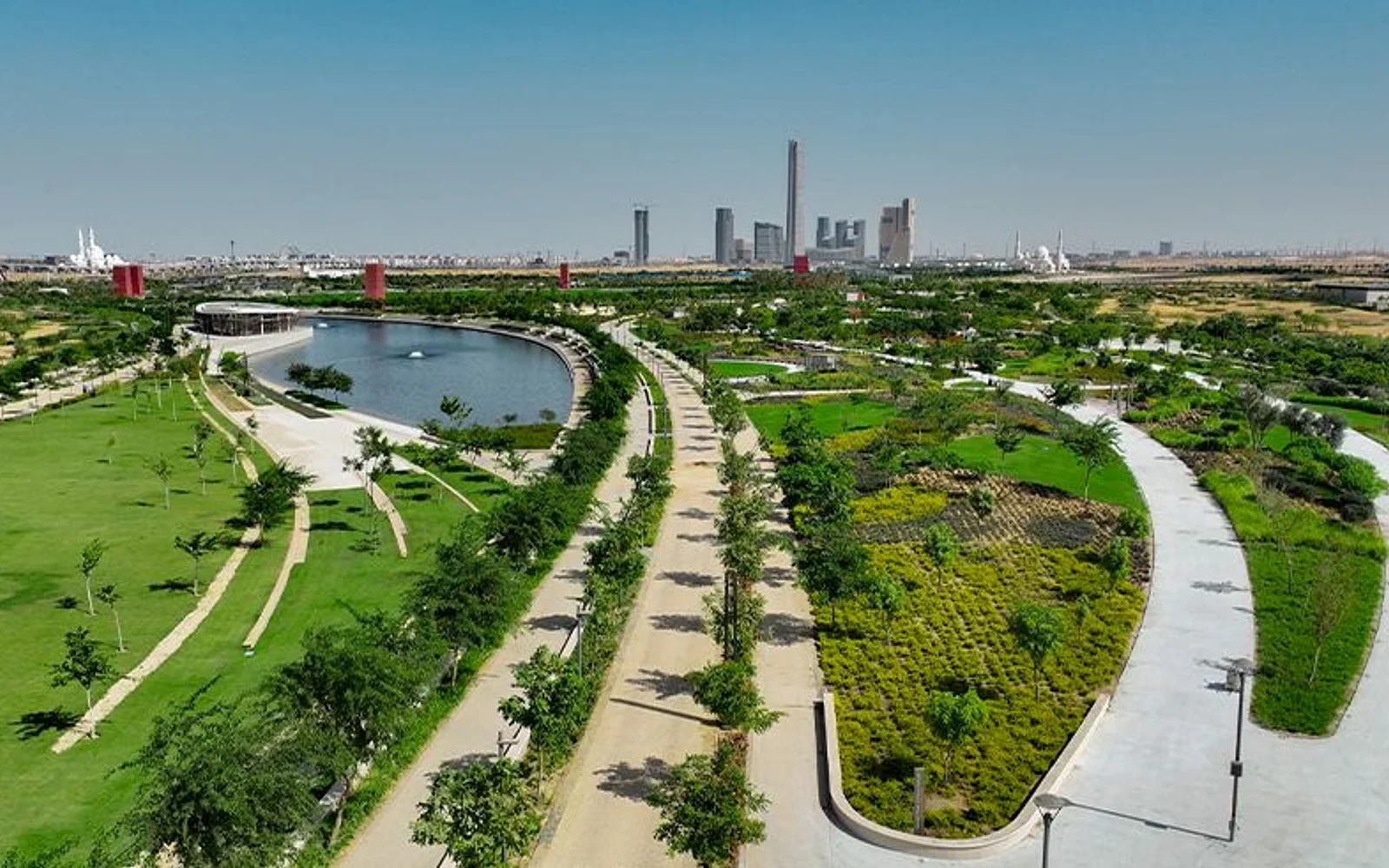
Green River is presented as an engineering case study in New Administrative Capital, Egypt.
View case study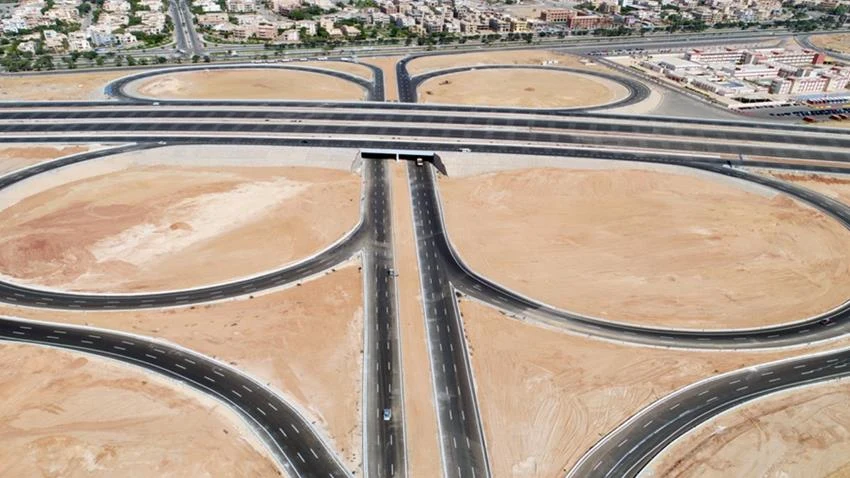
Mostakbal–Shorouk Tunnel
Mostakbal–Shorouk Tunnel is presented as an engineering case study in El Shorouk City, Egypt.
View case study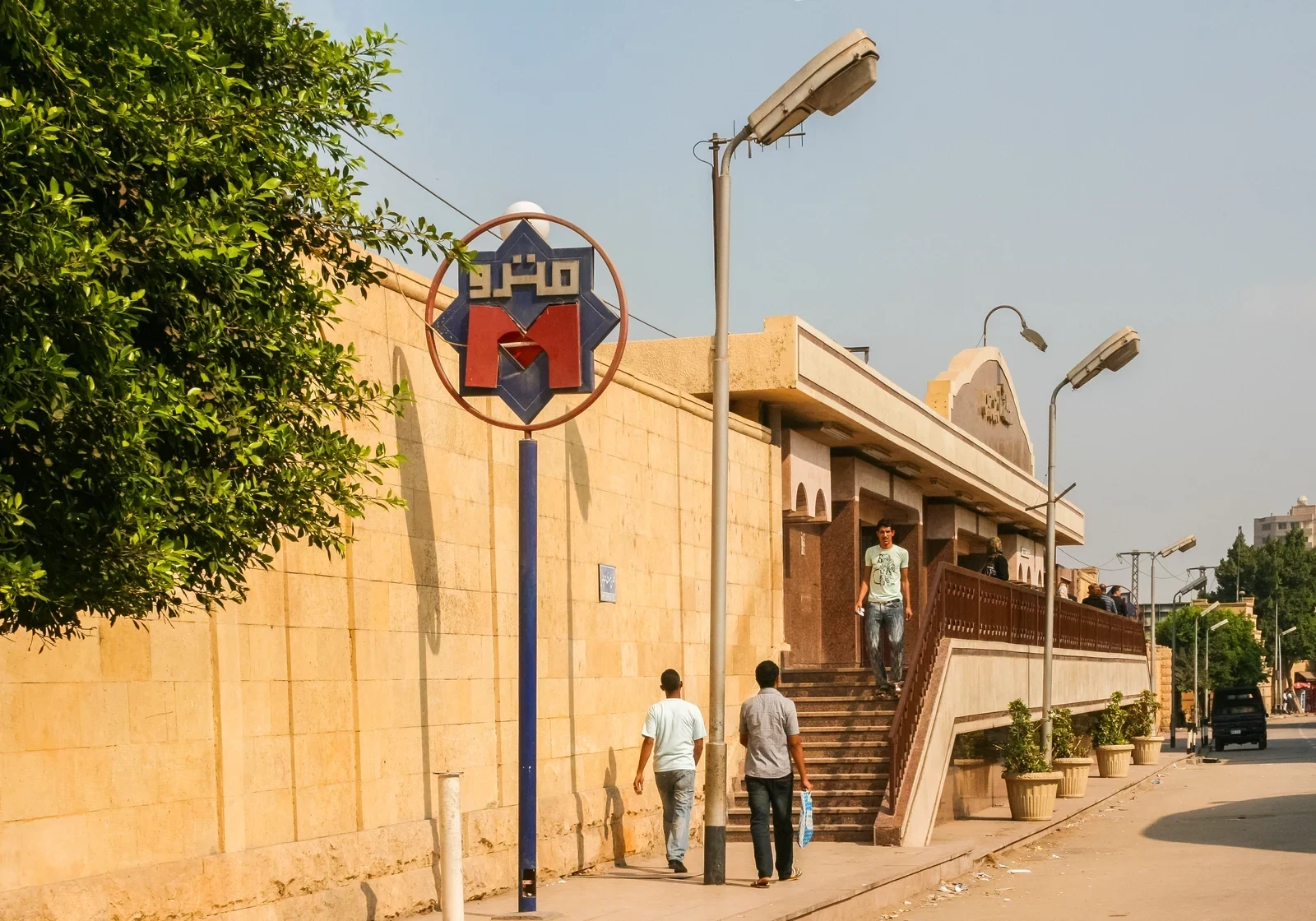
Kozzika Light Repair Workshop And Storing Yard
Kozzika Light Repair Workshop and Storing Yard is presented as an engineering case study in Kozzika, Helwan, Cairo, Egypt.
View case studyMinya Faculty of Oral and Dental Medicine Extension
BUILDING TOGETHER
Let’S Plan Your Next Project.
Share your application, quantities and project location to discuss the next step.